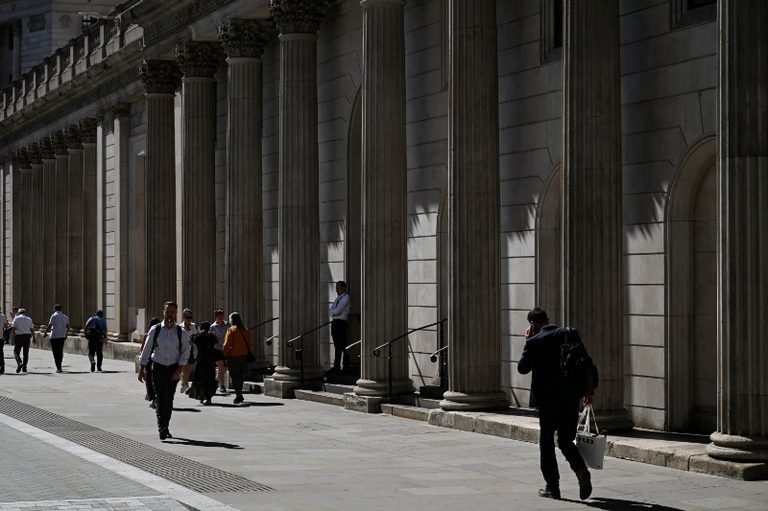
Citigroup and Goldman Sachs have both upgraded their outlook for the Bank of England (BoE), forecasting that the central bank will tighten monetary policy later in 2026. The two firms cite a surge in wholesale energy prices and a larger‑than‑anticipated rise in headline inflation as the primary drivers of their new expectations.
Why the forecasts have changed
Goldman Sachs analysts note that recent weeks have seen “significant increases in wholesale energy prices, a larger rise in headline inflation than the Bank had expected, and strong growth data.” The combination of higher oil prices—pushed above $100 a barrel by renewed hostilities in the Middle East—and robust economic activity has shifted the outlook toward a more hawkish stance.
Citigroup echoes this assessment, saying it now expects “one hike later this year and another in early 2027 – likely in November and February.” Both firms had previously projected that the BoE would keep rates unchanged throughout 2026.
Projected timing and magnitude
Goldman Sachs anticipates a quarter‑percentage‑point increase at the BoE’s November 2026 meeting. In line with market consensus, the firm also expects the central bank to hold the bank rate steady at 3.75% during its September 17 meeting.
Citigroup’s forecast suggests a slightly more aggressive path, with a first hike in November followed by a second move in February 2027. Both institutions agree that the BoE will eventually shift to a rate‑cutting cycle, projecting that easing could begin by the end of 2027.
Market reaction
Traders are pricing in roughly 47 basis points of BoE rate hikes by the end of the year, according to LSEG data. The recent rate increase by the European Central Bank—its second this year—has heightened attention on global monetary policy, as investors also await decisions from the U.S. Federal Reserve and the Bank of Japan later this week.
Broader economic context
Britain’s economy showed its strongest annual growth in 18 months in July, buoyed by artificial‑intelligence‑related investment and momentum from a solid first half of the year. However, the inflation outlook remains clouded by energy market volatility and the lingering effects of supply‑chain disruptions.
While higher rates could temper consumer spending, policymakers argue that curbing inflation now will protect long‑term purchasing power and maintain confidence in the pound.
What this means for businesses and households
For UK businesses, a tighter monetary stance may increase borrowing costs, prompting firms to reassess capital‑intensive projects. Households could see higher mortgage and loan rates, though the BoE’s communication emphasizes that any tightening is intended to be measured and temporary.
Overall, the forecasts from Citigroup and Goldman Sachs signal that the BoE is prepared to act decisively if inflation does not ease, reinforcing a commitment to price stability that aligns with sound fiscal stewardship.
Original reporting: Appleton, WI News Feed (HLL/CB) — read the source article.