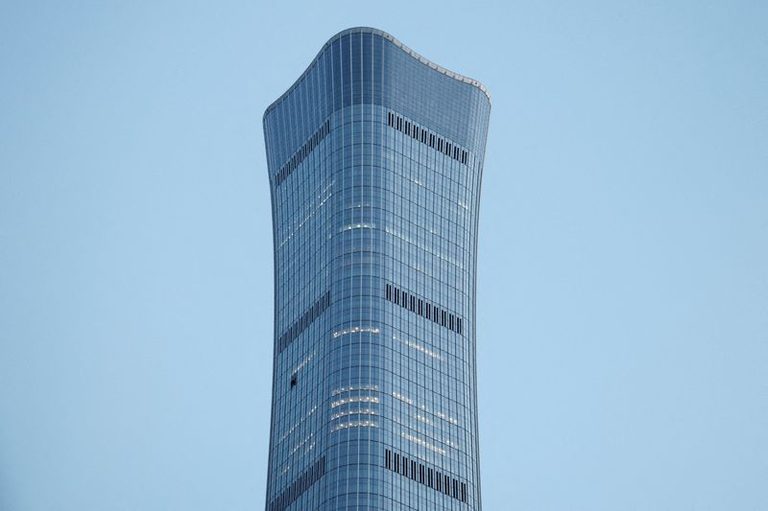
A recent plane crash in Beijing, China has raised concerns over aviation safety in the country. The crash, which occurred on June 26, involved a small plane that collided with the 108-storey CITIC Tower, killing the pilot and injuring 13 others.
Investigation Underway
An investigation into the crash is currently underway, with authorities working to determine the cause of the incident. The Civil Aviation Administration of China (CAAC) has not commented on the matter, but a nationwide suspension of low-altitude flights has been put in place.
Several aviation companies have suspended their services, including Beijing Capital Helicopter and Qingdao Hengyi General Aviation. The suspension has raised concerns over the impact on the country’s low-altitude economy, which is expected to expand into a 3.5 trillion yuan market by 2035.
Safety Gaps Exposed
The incident has exposed safety gaps in China’s aviation system, with experts pointing to a lack of effective measures to prevent such incidents. The plane was able to enter a no-fly zone near the central government and Communist Party offices, raising questions over the effectiveness of the country’s air traffic control systems.
The incident has also raised concerns over the regulation of low-altitude flights in China. The CAAC requires all flights, including non-airline general aviation, to be approved in advance, but it is unclear how the plane was able to enter the restricted airspace.
Original reporting: Appleton, WI News Feed (HLL/CB) — read the source article.