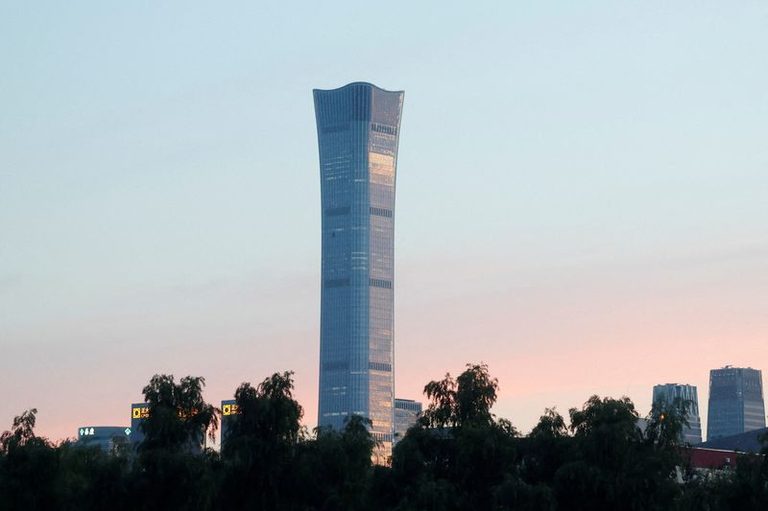
China’s aviation authorities announced a permanent, 600‑kilometre‑wide airspace restriction centred on the capital, set to take effect on September 20. The zone, described as a “Special Restricted Area,” spans roughly 280,000 square kilometres – an area comparable in size to Italy – and encompasses Beijing, Tianjin, much of Hebei province and portions of Inner Mongolia, Shanxi, Shandong, Liaoning and the Bohai Sea.
Scope of the restriction
All flights within the zone will be barred except for commercial airline services, approved business flights, and missions involving the military, customs, police and fire‑rescue agencies. The restriction applies from ground level to unlimited altitude, meaning any aircraft entering the airspace must have pre‑approved flight plans, maintain continuous two‑way radio contact with air traffic control, and be equipped with surveillance and identification systems that allow controllers to track them electronically.
Why the zone was created
The move follows a rare breach of Beijing’s tightly controlled skies on June 26, when a light‑sport aircraft crashed into the 108‑storey CITIC Tower in the city’s central business district. The crash killed the 66‑year‑old pilot, who had previously expressed suicidal intentions in his diary, and injured 13 people on the ground. Authorities said the pilot deviated from his approved flight area and lost contact with the general‑aviation airport from which he had taken off.
Official statements
State‑run Beijing Daily quoted officials saying the new “Capital No‑Fly Zone” is intended “to strengthen airspace security management in the capital region, maintain order in aerial operations, and protect important targets on the ground and the lives and property of the public.” The notice, filed through the U.S. Federal Aviation Administration’s public NOTAM system, emphasizes that exempt flights must strictly follow pre‑approved plans and report any potential deviation before entering the restricted area.
Impact on the region
By a rough geographic estimate, the restricted zone covers an area home to about 100 million people and includes dozens of airports and smaller airfields. The unprecedented size of the restriction makes it one of the largest permanent airspace limitations imposed over a capital city worldwide.
International context
China’s decision underscores growing concerns about air‑space security in major urban centers. While the United States and other nations maintain temporary or event‑specific restrictions, Beijing’s permanent zone signals a shift toward broader, long‑term control of civilian air traffic around critical infrastructure.
Travelers and airlines operating in and out of the region are advised to review the new NOTAM details and ensure compliance with the updated flight‑plan requirements. The Chinese aviation administration has pledged to monitor the zone closely and adjust procedures as needed to maintain safety and security for both residents and the nation’s air‑travel network.
Original reporting: Appleton, WI News Feed (HLL/CB) — read the source article.