Families in rural Georgia often face hours‑long drives to see a pediatrician. To change that, Children’s Healthcare of Atlanta, Mercer University School of Medicine and the Georgia Rural Health Innovation Center have launched a joint initiative aimed at expanding pediatric services, strengthening local hospitals and training the next generation of health‑care providers.
Addressing a critical shortage
More than half of Georgia’s 120 rural counties lack a pediatrician. Marc Welsh, vice president of community impact at Children’s, said the organization serves children in all 159 Georgia counties, but most of its facilities are concentrated in Metro Atlanta. “We recognize that kids across our state need care closer to home,” Welsh said.
Four‑pronged approach
The partnership focuses on four key areas: hospital readiness, support for rural pediatricians, mental‑health services and workforce development. Hospital sites in 44 counties are evaluated for staffing, equipment and emergency protocols, then receive training, resources and telehealth access to Children’s specialists.
Real‑world impact
Dr. Jean Sumner, dean of Mercer University School of Medicine, recounted a recent training drill in Claxton that prepared staff for a school‑bus crash. Two days later, a crash in Evans County injured about 28 children. Hospital personnel applied the practiced protocols, treating many locally and transferring others as needed, resulting in all children surviving.
Scholarships and new doctors
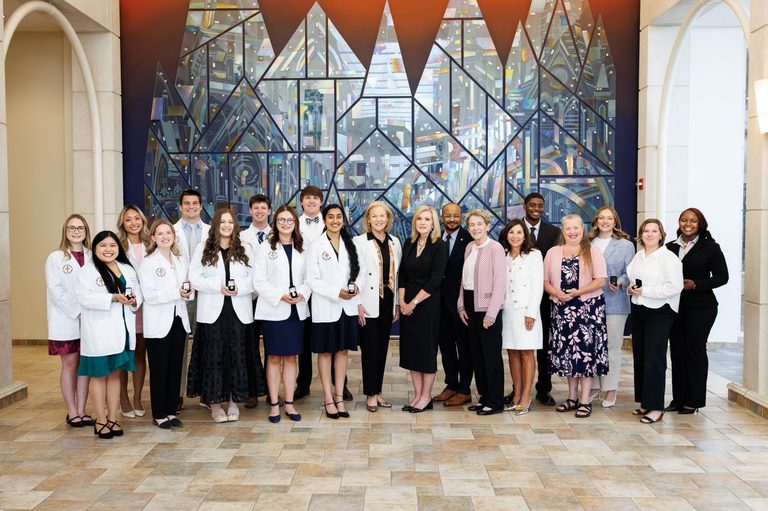
To combat the provider shortage, the initiative has awarded 59 scholarships—34 full‑tuition awards for medical students and 25 for marriage‑and‑family‑therapy students. Recipients must practice pediatrics in rural Georgia for at least four years after residency. This year, the first two pediatric scholarship graduates returned to serve in Tifton and Brantley County, the latter of which had never previously had a pediatrician.
Telehealth and mental‑health support
Beyond emergency care, the program connects rural physicians with Atlanta‑based specialists via telehealth, reducing the need for long trips for specialized treatment. Mental‑health scholarships aim to increase the number of therapists available to children and families in underserved areas.
Long‑term vision
Welsh said the goal is sustainable pediatric care throughout rural Georgia, hoping every community will have meaningful access to children’s health services within the next decade. “We don’t forget them,” Sumner added, emphasizing the partnership’s commitment to ongoing engagement with rural hospitals and families.
For families who have spent years traveling for appointments, the initiative promises a simpler future: a pediatrician just around the corner.
Original reporting: SaportaReport — read the source article.