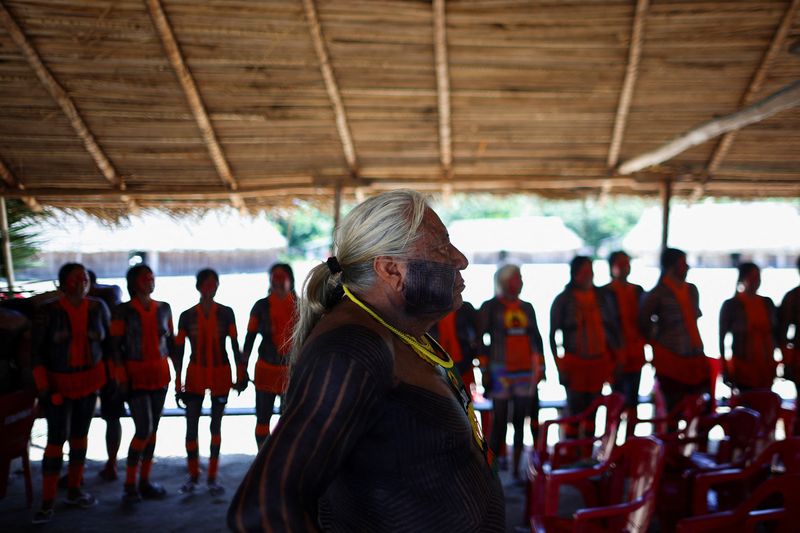
Chief Megaron Txucarramae, a respected leader of Brazil’s Indigenous Kayapo people, has committed to preserving the legacy of his uncle, Chief Raoni Metuktire. Chief Raoni, a prominent figure in the global Indigenous movement, has long campaigned to protect the Amazon rainforest. As Chief Raoni, now 94, faces health challenges, Chief Megaron steps forward to continue the fight for Indigenous rights and environmental preservation.
Continuing the Struggle
Chief Megaron has been involved in defending Indigenous rights for decades, from securing land demarcation in the Amazon to opposing hydropower projects and illegal mining. His dedication to these causes is deeply rooted in his upbringing and close collaboration with Chief Raoni. “I have followed it closely,” Chief Megaron stated, emphasizing his commitment to continue the struggle for Indigenous rights.
The Amazon rainforest, home to the Kayapo people, faces increasing threats from deforestation, illegal mining, and climate change. Nearly a fifth of the rainforest has been lost to agriculture and mining, exacerbating environmental challenges. Chief Megaron stresses the importance of preserving the Amazon, which he describes as vital for global health and climate stability.
Political Challenges
In recent years, Brazil’s Congress has passed laws that limit protections for Indigenous lands, raising concerns among Indigenous leaders. Chief Megaron is particularly worried about the upcoming general elections, where candidates opposed to Indigenous rights could gain power. He advocates for greater Indigenous representation in Brazilian politics, noting that only seven of the 594 lawmakers elected in 2022 were Indigenous.
Chief Megaron also aims to address cultural preservation, encouraging young Indigenous people to pursue education without abandoning their heritage. “You can learn, you can reach university, but you must not stop being Indigenous,” he emphasized, highlighting a core aspect of Chief Raoni’s struggle.
Original reporting: Appleton, WI News Feed (HLL/CB) — read the source article.