Recent research from Epic Research, which examined electronic health data from more than 85 million patients across the United States, reveals a striking drop in shingles cases among younger adults. The study, covering diagnoses from 2019 through 2026, attributes the decline to the widespread use of the chickenpox vaccine introduced in the mid‑1990s.
Key findings for the youngest age groups
For women ages 30‑34, shingles rates fell from 10.8 to 7.3 per 10,000 people. Men in the same age bracket saw a similar reduction, dropping from 11 to 7.3 per 10,000. Among 25‑ to 29‑year‑olds, the decline was even more pronounced: rates more than halved, moving from 7.7 to 3.2 per 10,000 for women and from 7.5 to 3.0 for men. The 18‑ to 24‑year‑old cohort also experienced a decrease, with rates falling from 2.9 to 1.6 per 10,000 for women and from 2.7 to 2.4 for men.
Why the vaccine matters
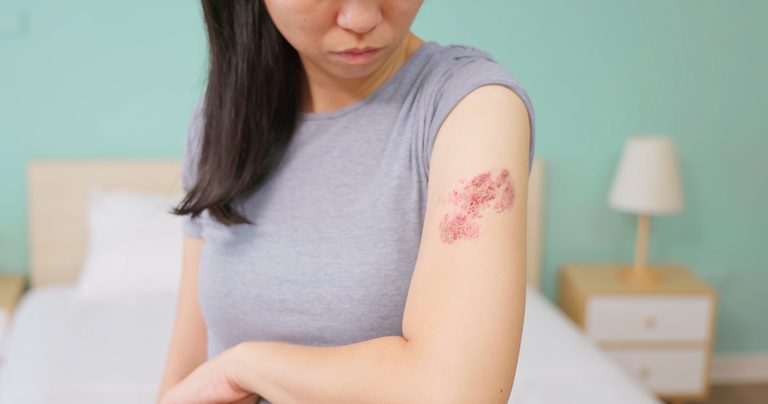
Anyone who contracts chickenpox as a child carries the varicella‑zoster virus for life, which can reactivate later as shingles—a painful, blistering rash that often leads to long‑term nerve pain called post‑herpetic neuralgia. The chickenpox vaccine, first approved by the Food and Drug Administration in 1995 and added to the routine childhood schedule in 1997, has reduced natural chickenpox infections by roughly 97 % according to the Centers for Disease Control and Prevention.
“People who have had the chickenpox virus have a higher risk of developing shingles,” explained Dr. Sharon Curhan, an epidemiologist at Brigham and Women’s Hospital. “Those who received the vaccine, while they can still get shingles, are at much lower risk.”
Rising rates in older adults
While the data are encouraging for younger generations, the study also noted an upward trend in shingles among adults 35 and older—individuals more likely to have experienced natural chickenpox infection as children. Researchers do not yet have a definitive explanation, but some experts suggest that the near‑elimination of circulating varicella‑zoster virus may have removed a natural “booster” effect that older adults previously received from exposure to infected children.
Other possible contributors include higher levels of chronic stress, depression, anxiety, and autoimmune conditions that can weaken the immune system. “Before the vaccine was available, parents and grandparents were regularly exposed to chickenpox in schools and daycares, which acted like a natural booster,” said Dr. Curhan.
Implications for public health
Although shingles remains relatively rare in people under 50, the study’s findings suggest that the chickenpox vaccine may provide lifelong protection against this painful condition. The CDC continues to recommend two doses of the varicella vaccine for children ages 1 to 6, a schedule that has proven effective in curbing both chickenpox and, indirectly, shingles.
Dr. Anne Gershon, a professor emeritus of pediatrics at Columbia University, warned that shingles can still lead to serious complications, including severe nerve pain, vision loss if the eye is affected, and an increased risk of stroke, heart disease, and even cognitive decline. These risks underscore the importance of vaccination as a preventive measure.
What families can do
Parents are encouraged to ensure their children complete the two‑dose varicella series and to discuss any concerns about shingles with their healthcare providers. By maintaining high vaccination rates, communities can protect both the current generation and future adults from the burdens of shingles.
Original reporting: Richardson, TX News (HLL/CB) — read the source article.