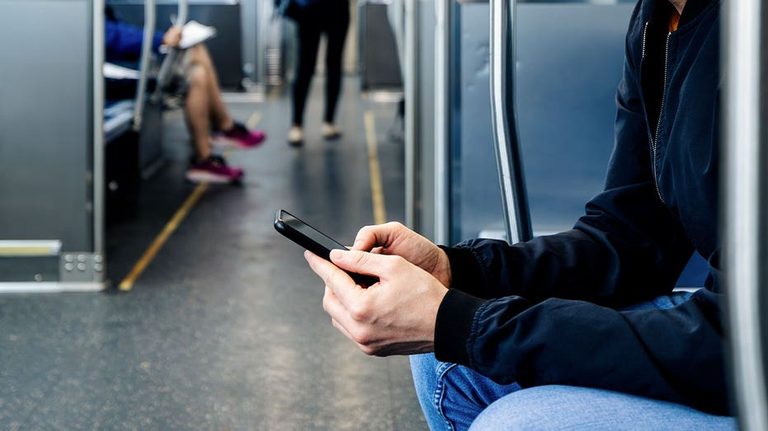
Chicago entrepreneurs are putting a new twist on public‑safety technology by using the phones people already carry. SplitSec, a Chicago startup founded in 2025, has built an Android app that listens for the sound of gunfire through a phone’s built‑in microphone and alerts nearby users.
Local trials launch in two wards
The pilot, which costs residents nothing, began this month in the city’s 21st and 42nd wards. According to Block Club Chicago, city officials are discussing expanding the test to the 5th, 29th and 38th wards later this year.
Founder and CEO Sri Deivasigamani explained that the idea grew from a simple observation: when a shooting occurs, bystanders often remain unaware for minutes, unsure of what happened or where danger lies. “We wanted to give people awareness sooner,” he told Fox News Digital.
How the app works
The app relies on the same AI‑enabled microphones that let phones respond to voice commands like “Hey Siri.” When the software detects a sound that matches its gunshot model, it prompts the user to confirm whether they actually heard gunfire. If the user confirms, the app sends an alert to anyone within a one‑mile radius. When two or more users confirm the same event, SplitSec can triangulate the approximate location, giving residents a chance to avoid the danger and potentially helping law‑enforcement pinpoint the shooter.
Deivasigamani likened the system to the navigation app Waze, noting that community confirmation is essential for accuracy. “It’s a community‑powered network, not just a lone device listening,” he said.
Early results and challenges
During the trial’s first days, users reported that the app correctly identified gunshots on July 27 and 28, and those users heard the shots themselves. While the company could not independently verify the incidents, the confirmations suggest the technology is functional.
Some early feedback highlighted false positives on phones with especially sensitive microphones and concerns about battery drain. SplitSec’s engineers are working on software tweaks to reduce these issues.
Privacy safeguards
Privacy advocates have asked whether the app continuously records ambient sound. Deivasigamani clarified that all audio analysis happens locally on the user’s device. Only when a user reports a false positive does the app ask permission to send a short audio clip to SplitSec for model training. No continuous streaming occurs, and any data shared is anonymized.
Potential partnership with city agencies
Chicago previously relied on SoundThinking’s fixed acoustic sensors, a program that ended in 2024 after debates over cost and effectiveness. SplitSec is not yet linked to the Chicago Police Department or the Office of Emergency Management and Communications, but Deivasigamani said the company would be ready to provide the same anonymous gunfire map to officials if a partnership were formed.
By leveraging technology already in residents’ pockets, the startup hopes to fill the gap left by the city’s former sensor network, giving neighborhoods faster warnings and empowering citizens to protect themselves and each other.
Original reporting: Fox News (HLL/CB) — read the source article.