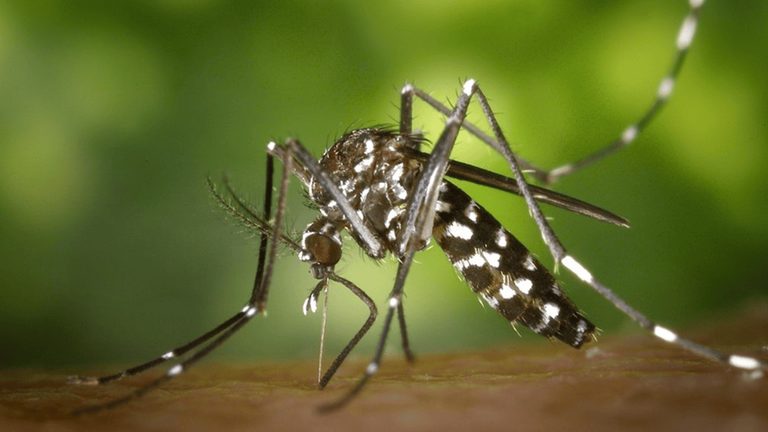
Chicago’s wet summer left many neighborhoods swarming with mosquitoes, especially the invasive Asian Tiger species that bites during daylight hours. The heavy rainfall—over three inches above normal between June 1 and August 31—created abundant standing water, giving the pests ideal breeding grounds.
Public‑health professor Justin Harbison, a scientific advisor for a Cook County mosquito‑abatement district, explained that the lingering complaints are unsurprising given the conditions. However, he emphasized that October traditionally marks a turning point.
Seasonal decline expected
“Typically, October is when we really see that drop‑off occur,” Harbison said. As temperatures dip and daylight shortens, mosquitoes enter a dormant state called diapause, preparing to hibernate. If the weather stays cool, the number of bites should decrease more rapidly.
Harbison cautioned that an unseasonably warm spell could delay diapause, allowing mosquitoes to remain active longer. The National Weather Service is forecasting a high of 73°F for Sunday, which could modestly extend the biting season.
Health considerations
While most mosquito bites are merely irritating, Chicago does see occasional cases of West Nile virus in October, transmitted by the common Culex mosquito. Residents should remain vigilant for symptoms such as fever, headache, or muscle aches, and seek medical attention if they suspect infection.
What homeowners can do
Eliminating standing water on private property is the most effective way to curb mosquito populations. Harbison advised, “If we can all help each other out by keeping an eye on standing water, that’s really the most effective way to get rid of those mosquitoes or prevent people from getting bit.” Common sources include clogged gutters, bird baths, flower‑pot saucers, and any containers that collect rainwater.
Simple steps—emptying, cleaning, or covering water‑holding items—can dramatically reduce breeding sites. Community groups are also encouraged to organize neighborhood clean‑up efforts, especially in parks and along the lakefront, where mosquito activity has been most noticeable.
Looking ahead
As the city moves further into fall, officials expect mosquito complaints to wane. Harbison remains optimistic that, barring a sudden warm snap, Chicagoans will experience a noticeable relief from bites as the insects settle into hibernation.
For ongoing updates on mosquito activity and public‑health advisories, residents can follow the Cook County mosquito‑abatement district’s communications or contact the Chicago Department of Public Health.
Original reporting: Block Club Chicago — read the source article.