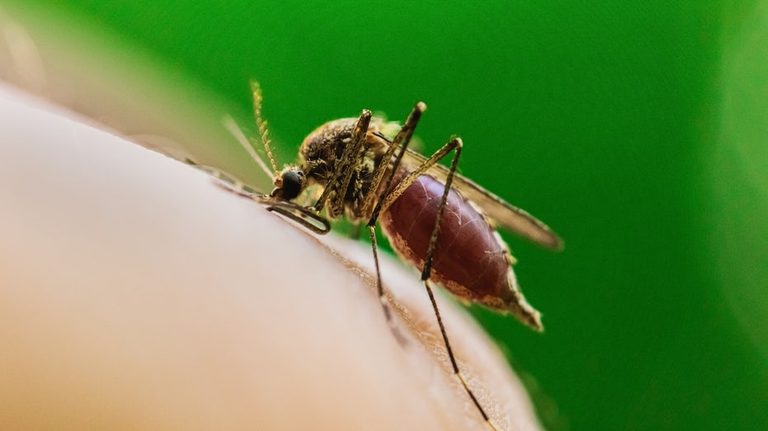
The Chicago Department of Public Health (CDPH) confirmed that a Chicago resident over the age of 50 has died from West Nile virus, marking the city’s first fatality linked to the mosquito‑borne illness this year. The death follows a series of reported cases across Illinois and comes after what officials describe as the rainiest summer in recent memory, creating ideal breeding conditions for mosquitoes.
What officials are doing
CDPH Commissioner Garth Walker said the department is responding with an aggressive mosquito‑control effort. “The best way to protect yourself from West Nile virus is to avoid mosquito bites and take measures to stop them from breeding around your home,” Walker said in a statement.
In the coming weeks, CDPH crews will spray insecticide in the following Chicago neighborhoods: Beverly, Burnside, Chatham, East Garfield Park, the Lower West Side, Morgan Park, the Near West Side, North Lawndale, O’Hare, Pullman, Roseland, South Deering, Washington Heights, West Lawn and West Pullman. Residents are urged to keep windows screened, eliminate standing water, and use repellents containing at least 30% DEET during peak mosquito activity at dawn and dusk.
Understanding West Nile virus
West Nile virus is transmitted to people primarily through the bite of an infected mosquito that has previously fed on infected birds. Most infections are mild or asymptomatic, producing fever, aches, and rash. However, about 20‑25% of symptomatic cases develop flu‑like symptoms that can be hard to distinguish from ordinary influenza.
In rare but serious instances, the virus can invade the nervous system, causing meningitis, encephalitis (brain swelling), paralysis, or death. People over 50 and those with compromised immune systems—such as individuals with severe diabetes, cancer, or other immunosuppressive conditions—are at highest risk.
Medical guidance
Dr. Tyler Evans, an infectious‑diseases specialist at the University of Southern California Keck School of Medicine and CEO of Wellness Equity Alliance, explained that most healthy adults do not need emergency care for mild symptoms. “If you’re not over the age of 65 and you’re not immunocompromised, you generally don’t have to go to the emergency room,” he said.
For seniors and those with weakened immune systems, Dr. Evans warned that any sudden severe headache, stiff neck, confusion, vision loss, or disorientation should prompt an immediate call to 911 and transport to an emergency department.
Current national picture
According to preliminary CDC data as of September 1, the United States has recorded 407 human West Nile virus cases this year, including 285 neuroinvasive cases and 23 deaths. The majority of cases are reported during August and September, aligning with the peak mosquito season.
While no vaccine or specific antiviral treatment exists for West Nile virus, supportive care—hydration, pain management, and monitoring for neurological complications—remains the standard approach.
How residents can protect themselves
- Apply DEET‑based repellents (30% or higher) on exposed skin, especially at dawn and dusk.
- Wear loose, long‑sleeved clothing when outdoors in high‑mosquito areas.
- Ensure window and door screens are intact.
- Eliminate standing water in buckets, tires, gutters, and other containers.
- Limit outdoor activity during sunset and sunrise when mosquitoes are most active.
By taking these precautions and supporting the city’s mosquito‑control program, Chicagoans can help reduce the risk of further West Nile virus infections as the season progresses.
Original reporting: Fox News (HLL/CB) — read the source article.