The Chicago Park District has released its first‑of‑its‑kind Lakefront Shoreline Conditions Assessment, a detailed review of the city’s 27 miles of lakefront. The study, prompted by the record‑high Lake Michigan water levels of 2020, identifies the five shoreline segments most in need of repair and outlines immediate improvement plans.
How the assessment was conducted
The district divided the lakefront into 63 segments, evaluating each for physical condition and exposure to natural forces such as fluctuating water levels, storm surge, and wave activity. By combining the two metrics, the agency produced a ranked list that highlights the areas with the greatest overall exposure.
Top five at‑risk segments
1. Park 566 (South Chicago) – Scoring 4.5 out of 5, this former U.S. Steel South Works site tops the list. The shoreline consists of scrap cement and slag, protected only by a severely damaged rubble‑mound revetment. The report recommends better signage, way‑finding, and new amenities such as overlooks and fishing stations to reconnect the surrounding community.
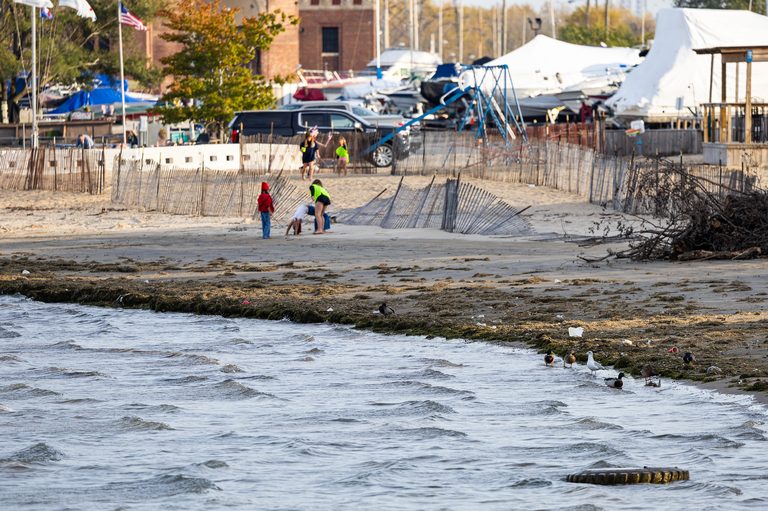
2. East Side (102nd St to Illinois‑Indiana line) – This stretch includes Munson Beach and the Calumet Yacht Club. It suffered flooding in 2019 and shows significant erosion. Recommendations call for headland monitoring, erosion control, and possible inclusion of parts of the area in the adjacent Calumet Park Natural Area.
3. Lincoln Park (Fullerton Ave to Armitage Ave) – After damage from the 2020 high‑water event, the district installed “TrapBags,” a sand‑bag alternative, to curb erosion. The assessment suggests removing the bags now that conditions have improved, using the sand to restore beach access, and studying wave action for future shoreline design.
4. Woodlawn (63rd St to 67th St) – This segment also employed TrapBags in 2020. Portions of the revetment wall have collapsed, and the area is largely owned by La Rabida Children’s Hospital. The district proposes reusing the sand from the bags, adding native plantings, and repairing the concrete retaining wall.
5. Edgewater (Hollywood Ave to Balmoral Ave) – Featuring a stepped stone revetment and a 1950s sheet‑pile wall, this stretch is in fair condition but requires a detailed long‑term assessment. It remains one of the most vulnerable segments to natural events.
Next steps and funding opportunities
While the ranking highlights priority areas, the district notes that the order does not dictate the sequence of repairs. Funding often comes with specific criteria—such as transportation access, environmental‑justice considerations, or neighborhood equity—and the district will pursue any grant that matches a segment’s needs, even if it is not the top‑ranked site.
Mayor Lori Lightfoot’s administration and the Park District are also advancing the Chicago Shoreline Plan for Coastal Resiliency, which provides design guidelines and best practices for shoreline protection. As part of that effort, six pilot sites—including Park 566, South Shore Cultural Center, and Diversey Harbor—will test nature‑based solutions such as dune plantings and underwater reefs.
Community involvement
The Park District held two public meetings last week to gather input on the proposed improvements. Residents expressed a desire for better access, recreational amenities, and environmentally friendly fixes. The agency plans to continue engaging neighborhoods as it refines the detailed design and seeks funding.
Full details of the assessment, including the complete list of 63 segments and scoring methodology, are available in the district’s report linked in the original article.
Original reporting: Block Club Chicago — read the source article.