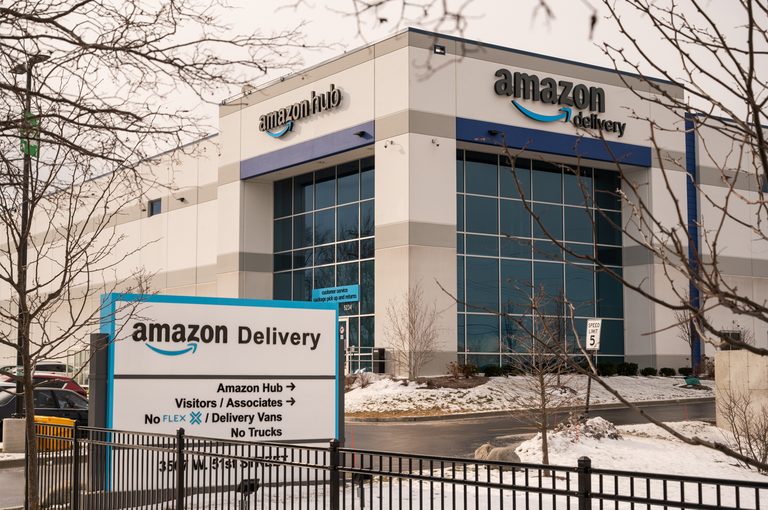
Chicago officials are moving forward with the Chicago Delivery Protection Act, a draft ordinance that would impose new licensing, safety‑training and worker‑protection requirements on third‑party delivery companies and last‑mile warehouses that handle Amazon packages and other online orders.
Local leaders push for stronger safeguards
At a joint meeting of the city’s Workforce Development Committee and the License and Consumer Protection Committee on Sept. 15, Alderman Julia Ramirez (12th Ward), the ordinance’s sponsor, explained that the city seeks to close an accountability gap and gain visibility into a fast‑growing industry that employs hundreds of Chicago residents.
The proposal would require delivery service partners to obtain a city license, disclose any local, state or federal violations, and provide workers with written delivery‑quota expectations. It also mandates mandatory training on road safety, traffic rules and pedestrian protection, delivered by a city‑certified provider.
Workers voice safety concerns
Delivery drivers testified that intense delivery quotas force them to rush, park in front of fire hydrants and block crosswalks, creating hazards for pedestrians and cyclists. “I’m expected to hit around 30 stops an hour, and think about what that means in Chicago: apartment buildings, traffic, pedestrians, cyclists, finding parking, getting in and out of the van, and the clock never stops,” said driver and organizer Ashoka Brooks.
Another driver, Enrique Holguin, described having to park illegally to keep up with what he called “unreasonable expectations” from Amazon’s delivery partners.
Potential legal implications
City officials noted that some of the alleged practices could violate the Chicago Fair Workweek ordinance, which requires schedules be posted at least 14 days in advance and compensates workers for last‑minute changes. Violations of the new ordinance could result in fines or even revocation of a company’s license.
Business community raises concerns
Representatives from the Chicagoland Chamber of Commerce, the Supply Chain Federation and the Illinois Retail Merchants Association warned that the broad language could burden small and medium‑sized delivery firms. “It would put an extreme financial burden on us that will ultimately force small businesses to close,” said Daniel Panzarella, owner of Veterans Logistics.
Critics also argue that the ordinance may overstep municipal authority by dictating hiring and contracting practices traditionally handled by private employers.
Support from labor and the administration
The Teamsters Joint Council 25 backs the measure, emphasizing the need for safe working conditions and transparent quota expectations. Amazon, while not present at the hearing, issued a statement affirming its commitment to good jobs and local small‑business partners, noting that its delivery service partners employ over 1,000 people in Chicago, with an average hourly wage near $23 and benefits for full‑time staff.
City officials said the ordinance is still under discussion and has not yet been introduced to the full City Council. If adopted, it would set a precedent for municipal oversight of the gig‑economy logistics sector, aiming to balance worker safety with the vitality of local delivery enterprises.
Original reporting: Block Club Chicago — read the source article.