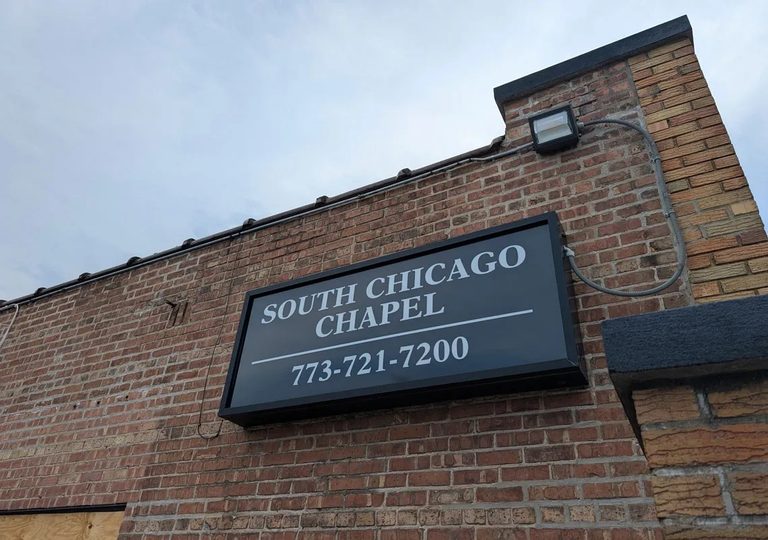
In September 2025, Chicago Alderman Peter Chico (10th Ward) filed two formal requests with the Department of Business Affairs and Consumer Protection (BACP) after residents reported foul odors emanating from the South Chicago Chapel funeral home. The complaints also noted that the owners, Clark and Johanna Morgan, had a prior history of mishandling human remains at the now‑shuttered Heights Crematory in Chicago Heights.
City inspection fell short
When a city inspector visited the chapel two days after the first complaint, he spent only 20 minutes on site, took a few photographs—including one of an empty gurney in the parking lot—and concluded the smell was coming from a burning garbage can outside. The inspector’s 67‑word report made no mention of attempting to enter the building or inspecting the interior where the alleged remains were stored.
Official response and licensing confusion
The BACP confirmed that the chapel did not require a traditional business license because it does not sell retail items such as caskets or flowers. With more than 53,000 active business licenses in Chicago, only about 80 pertain to funeral‑related enterprises. The agency marked Chico’s inquiry as “Completed” within seven minutes, and did not forward the concern to the Illinois Department of Financial and Professional Regulation (IDFPR), the state agency that oversees funeral home directors.
Because the BACP’s investigation hinges on a formal complaint about the sale of funeral products, and no such complaint was filed, the department did not pursue a deeper probe at the time. It later reviewed the licensing question after police discovered the decomposing bodies in August 2026.
State action and new regulations
Illinois Governor J.B. Pritzker, citing the South Chicago Chapel tragedy, blamed “bad actors” at the facility and called for accountability. The state’s Integrity in Death Care Act, which took effect in early 2025, tightened the chain‑of‑custody requirements for human remains, mandating proper identification and refrigeration standards for crematories. However, funeral homes are still permitted to preserve bodies through embalming or cooling, not necessarily refrigeration.
At the chapel, none of the 56 bodies recovered had tags with full names and birth dates; many were identified only through fingerprints, dental records, or implanted medical devices. IDFPR records describe the storage area as unrefrigerated, infested with rodents, and in a state of decomposition.
Licensing history of the Morgans
Clark Morgan’s funeral director and embalmer‑intern license was revoked in 2024, and Johanna Morgan’s license was temporarily suspended in August 2026 following the discovery. Both remain under investigation, though no criminal charges have been filed to date. An Illinois State Police investigation into the Morgans’ operations at Heights Crematory continues.
Broader regulatory landscape
Illinois is one of only four states that does not conduct regular inspections of licensed funeral homes or crematories. Most states perform annual or biannual, sometimes unannounced, inspections. IDFPR currently employs four investigators for complaints against funeral‑home professionals and plans to add a fifth investigator this fiscal year.
The South Chicago Chapel case underscores the need for clearer city‑state coordination and more proactive oversight to protect families and uphold the dignity of the deceased.
Original reporting: Block Club Chicago — read the source article.