The parking lot off Cedar Road fills up faster than you’d expect for a Thursday night in Deep Creek. That’s the first thing that tips you off: this isn’t a civic obligation people attend out of guilt. They actually want to be here.
Chesapeake Little Theatre has been putting on shows since 1950, which makes it one of the longer-running community theater operations in the Hampton Roads area. It’s survived a few address changes over the decades and eventually landed in its current home on Cedar Road in the Deep Creek section of Chesapeake — a part of the city that doesn’t exactly market itself as a cultural destination. And yet, here it is.
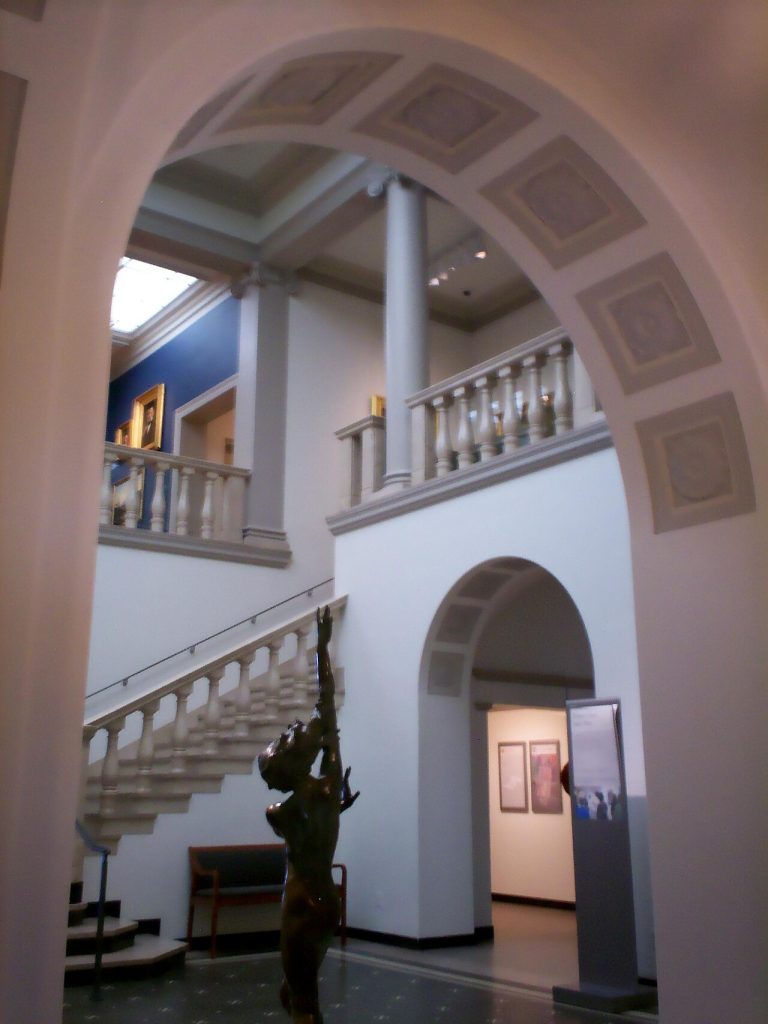
The building itself is comfortable rather than grand. Seating runs around 150, depending on the configuration, and there’s maybe five rows of difference between the front and the back, so the sightlines are good from practically anywhere. The intimacy is real — you’re close enough to read an actor’s expression clearly, which is either a blessing or a curse depending on how the production is going. At CLT, it’s usually a blessing.
The season typically runs from fall through spring, mixing musicals and straight plays in roughly equal proportion. Past seasons have included standards like The Odd Couple and Steel Magnolias alongside the occasional musical that you wouldn’t expect a 150-seat community theater to attempt. They attempt it anyway. The results vary, as community theater results do, but the ambition is consistent, and the talent pool — a mix of longtime members and newer faces — is deeper than the modest venue suggests.
Tickets usually run somewhere between twelve and twenty dollars depending on the show and the night, with discounts for seniors and students. That’s about what you’d pay for a mediocre appetizer at a Greenbrier chain restaurant, so the value math isn’t complicated. Friday and Saturday nights sell faster than Sundays, and certain productions — anything with a recognizable title or a large cast — tend to go quickly. Calling ahead or booking through their website is the smarter move.
What keeps people coming back isn’t just the productions themselves. CLT has the kind of organizational personality that community theaters either develop over decades or never develop at all: a genuine investment in the audience relationship. The lobby before a show has the low-grade social energy of a neighborhood gathering, people catching up with each other, recognizing faces from past productions, talking about who’s in the cast tonight. It functions as a local institution in the actual sense of that word, not in the way that phrase gets applied to any restaurant that’s been open for eight years.
The theater also runs youth programs and workshops, which feeds the pipeline in both directions — kids get stage experience, productions get reliable ensemble players. It’s a sensible arrangement that a lot of community theaters figure out eventually, but CLT has had long enough to get it working smoothly.
If you’ve never been, pick a Friday night, buy a ticket in advance, and get there ten minutes early so you’re not hunting for a seat. The show will probably be good. It might be very good. Either way, you’ll leave having spent an evening in the company of people who cared enough about the thing to do it right.