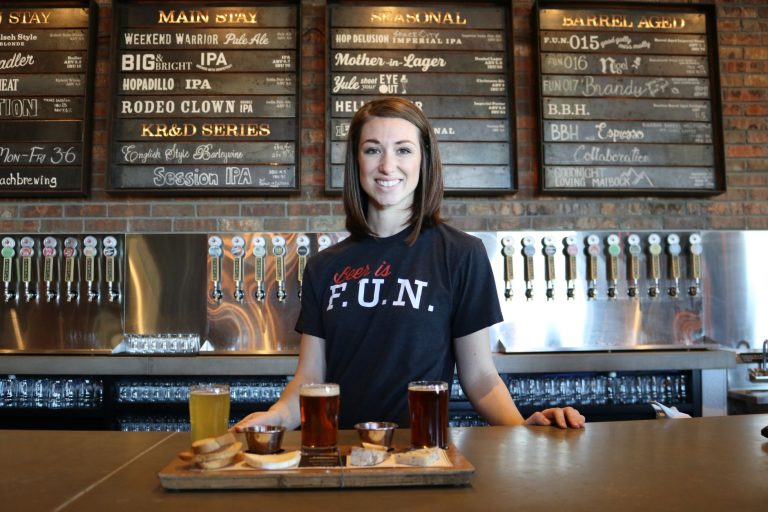
Recent Gallup polling shows a historic shift in American drinking habits. In 2025, only 54% of adults reported drinking alcohol, down from 62% in 2023 and 58% in 2024. This marks the lowest level recorded since the poll began in 1939.
Why the BYOB tradition is under pressure
The classic “bring your own bottle” (BYOB) invitation assumed guests would contribute an alcoholic beverage that matched the host’s provisions. With a growing share of the population cutting back or quitting drinking, many guests now arrive with hop water, botanical aperitifs, or zero‑proof gin, leaving hosts without a clear script.
Demographic changes
Both younger and older drinkers are scaling back. Nearly half of Gen Z consumers plan to reduce alcohol consumption, and women’s self‑reported drinking fell 11 points between 2023 and 2025. Income no longer predicts drinking either; households earning $100,000 or more saw a 13‑point decline in alcohol use over the same period.
Cost and social signals
Premium non‑alcoholic spirits can cost as much as a mid‑range bottle of wine, yet the social response differs. Guests who bring a high‑end non‑alcoholic spirit often receive a puzzled look rather than a thank‑you, highlighting a mismatch between price and perceived value.
Hosts face new dilemmas
Without a reliable way to guess who will drink, hosts risk over‑stocking a bar that sits untouched or alienating the few guests who do drink. Asking guests ahead of time can feel intrusive, yet it is becoming the most dependable method to avoid awkwardness.
Possible solution
One practical adjustment is to replace the cryptic BYOB line with a clear invitation: “Bring whatever you’re drinking.” This simple wording accommodates both drinkers and non‑drinkers without adding cost or confusion.
The trend reflects broader health concerns: for the first time, a majority of Americans believe even moderate drinking is harmful. Average weekly consumption among remaining drinkers fell to 2.8 drinks, the lowest since 1996. Rising beverage prices also play a role, with two‑thirds of drinkers noting that alcoholic drinks have become noticeably more expensive in 2026.
Original reporting: KTBS 3 (Shreveport) — read the source article.