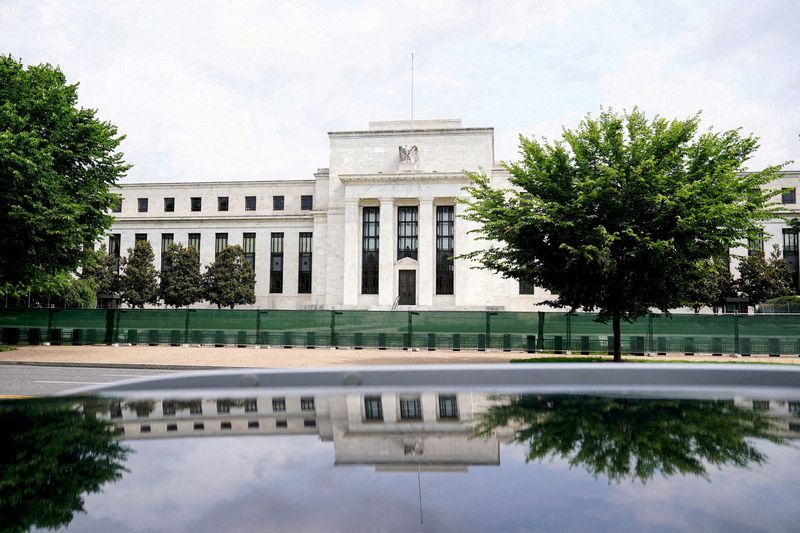
Central banks around the world are facing increasing pressure as they implement measures to tackle rising inflation, a situation that threatens their independence. The recent surge in inflation, driven by the conflict in Iran which has pushed up oil prices, has forced central banks to raise interest rates or delay planned cuts. This has led to political interference, which could erode trust and exacerbate the crisis, according to current and former officials.
Challenges to Independence
One of the most visible challenges to central bank independence has been the repeated calls from U.S. President Donald Trump for lower interest rates. However, political pressure is widespread and often more subtle in other regions. Some central banks are being asked to tailor their policies to support industrial goals, while others face pressure to transfer profits to state budgets or are given conflicting mandates.
High government debt levels also act as a constraint on independence, as higher interest rates, the usual remedy for inflation, risk triggering a debt crisis. Once markets doubt a central bank’s independence in fighting inflation, they begin to anticipate policy accommodation, making it even harder to control price rises.
Rebuilding Credibility
Rebuilding credibility once independence is damaged is a difficult task. Bundesbank board member Burkhard Balz emphasized the need for monetary policy to be protected from short-term political incentives to ensure price stability. Some experts argue that central banks’ slow response to the 2021-22 inflation surge also damaged their credibility. Policymakers initially described the shock as transitory before realizing its scale and launching one of the fastest tightening cycles on record.
Former Bank of Israel Governor Jacob Frenkel highlighted the issue of data dependence, noting that waiting for data confirmation can lead to delayed responses, putting central banks at a disadvantage.
Original reporting: Appleton, WI News Feed (HLL/CB) — read the source article.