The parking lot is gravel, the entry gate looks like something a determined weekend handyman built in 1993, and the first thing you hear when you get out of your car is a sound that is absolutely not a housecat. That low, resonant exhale — somewhere between a cough and a yawn — comes from a Siberian tiger named something like Boris, and it sets the tone for the next two hours.
Cat Tales is about twelve miles north of downtown Spokane in Mead, sitting on what feels like a very serious hobby farm that gradually revealed its true purpose. Founded in 1988 and run by a nonprofit dedicated to big cat rescue and conservation, the place houses tigers, lions, cougars, leopards, servals, and a rotating cast of other large felines that mostly arrived because someone thought owning one sounded great and then reconsidered. The animals are not bred for public display. They ended up here because they had nowhere better to go.
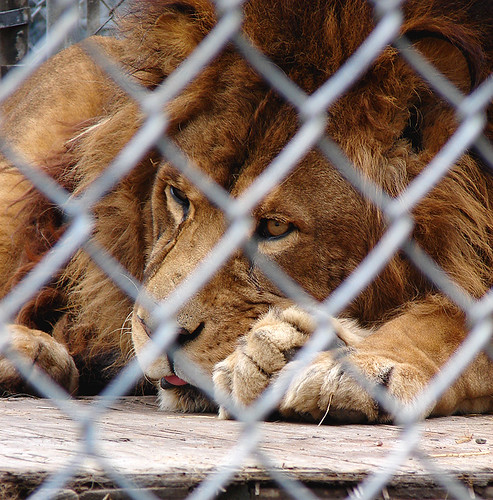
You can get surprisingly close to some of these cats — separated by a chain-link fence and a few feet of air. That sounds alarming until you realize the enclosures are well-built and well-maintained, and that the staff seem genuinely relaxed, which is itself reassuring. The paths are unpaved and shaded by conifers, and on a warm afternoon you’ll find half the cats horizontal in the shade doing their best impression of expensive throw rugs. The other half will watch you with flat, professional interest. Either way, you are the less impressive animal in the exchange.
There are guided tours available, and if you can swing one, take it. The handlers actually know these animals as individuals — which one sulks after veterinary visits, which one is inexplicably afraid of brooms — and the details they share are more interesting than any placard. General admission runs around $16 for adults and $10 for kids, which is modest for what you’re getting. Tours cost a little more and should be reserved ahead, especially in summer.
The honest assessment: this is not a polished zoo. The walkways are not always well-signed. There’s a gift shop that manages to be both small and overstuffed. Bring water. Bring sunscreen for the open stretches. Wear shoes you don’t mind getting dusty. None of that is actually a complaint — it’s what the place is. A functioning animal rescue operation that happens to be open to the public, staffed by people who chose this particular difficult line of work on purpose.
What Cat Tales does well, it does because it has to. The animals are healthy and alert. The enrichment programs — puzzle feeders, new scents, varied objects left in enclosures — are visible in ways that suggest this isn’t performative. A Siberian tiger in proper condition, pacing a well-sized enclosure and clearly deciding whether or not you’re worth its attention, is a genuinely humbling thing to watch.
Go on a weekday if you can. Weekends bring school groups and strollers four across. A Tuesday in September, temperature around 65, overcast — that’s the version of Cat Tales worth making the drive for. You’ll have the paths mostly to yourself, the cats will be active rather than baked flat by afternoon heat, and you can stand in front of an amur leopard for as long as you want without anyone crowding you toward the next enclosure.
It’s not trying to compete with a metropolitan zoo. It just happens to be better than most of them at the one thing that actually matters.