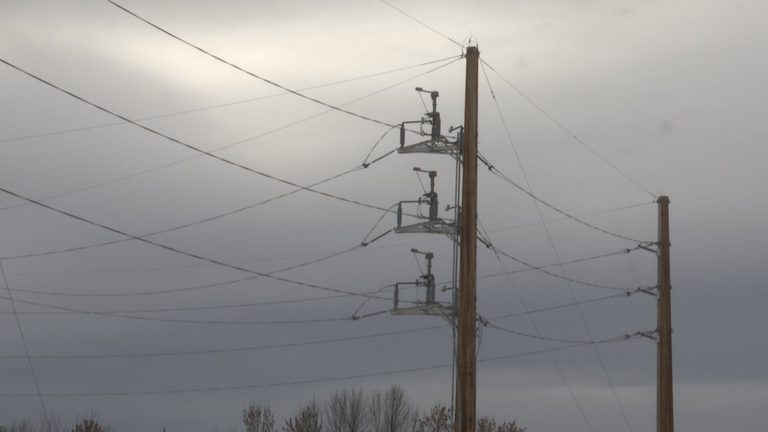
Capital Electric Cooperative, the nonprofit electric provider serving Bismarck and surrounding areas, announced a proposal to raise its revenue by 8% beginning Jan. 1, 2027. The increase would lift the median residential bill—currently between $135 and $140—by roughly $11 per month.
Why rates are climbing
Business Manager Luke Steen explained that the co‑op has raised rates every year since 2023. The primary driver, he said, is the cost of wholesale power, which makes up about 70% of Capital Electric’s total expenditures. The cooperative purchases power through Central Power Electric Cooperative, receiving roughly 90% from Basin Electric Power Cooperative and the remaining 10% from the Western Area Power Administration.
General Manager Paul Fitterer added that building new power plants today is far more expensive than when the existing fleet was constructed decades ago. “Costs have gone up and power is less available,” he said, noting that new generation and transmission projects are driving higher prices.
Delivery costs also rising
Steen said the co‑op’s own delivery costs have surged since the COVID‑19 pandemic, with the price of conductors, poles, transformers and other equipment increasing “exponentially.” These higher costs are reflected in the proposed rate adjustment.
Peak‑demand charges dominate the bill
About 60% of the wholesale cost is tied to a single half‑hour peak each month when demand spikes. That peak‑demand charge is the largest component of members’ bills, and it will see the biggest increase under the four‑part rate structure the co‑op uses to provide transparency.
Steen emphasized the cooperative’s goal of transparency: “If you can help us prevent that cost, we want that full benefit to come through to you.” Members can reduce their exposure to the peak‑demand charge by shifting usage to off‑peak hours, enrolling in load‑control programs, or using the co‑op’s forecast tool for peak alerts.
Co‑op governance and member impact
As a nonprofit cooperative, Capital Electric’s rates are set by a nine‑member board elected by its members. Both Steen and Fitterer said the co‑op operates on thin margins and must meet lender financial ratios, which limits how low rates can be set.
Fitterer noted that board members feel the impact personally because they also pay the rates and are raising rates on their neighbors. Both executives expressed hope that wholesale costs may plateau in 2028 after the current build cycle for new generation and transmission concludes.
How members can respond
Steen and Fitterer encouraged members who feel the increase will be a burden to contact the co‑op’s Energy Services team for a free home visit. “If you’re a member and you felt the sting of these rate increases, please don’t hesitate to reach out,” Steen said. The team will assess homes and suggest energy‑saving measures that could lower individual bills.
Capital Electric’s proposal will be reviewed by its board, and members will have an opportunity to provide input before any final decision is made.
Original reporting: KFYR-TV Bismarck (news) — read the source article.