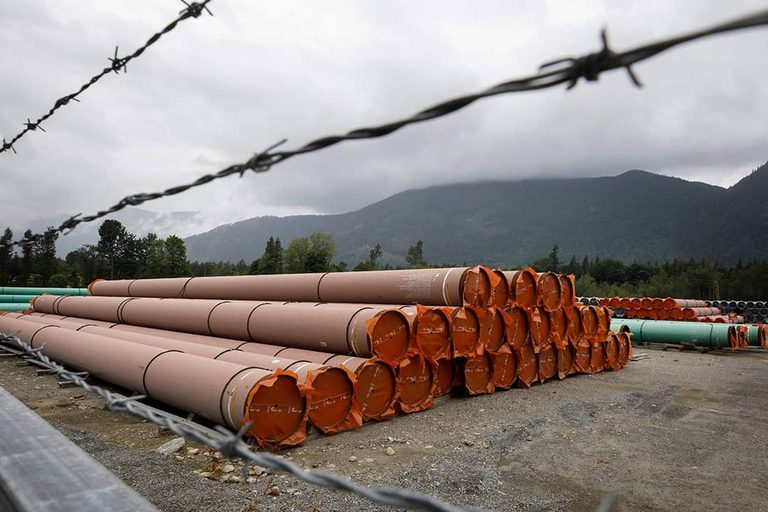
Recent polling reveals a split view among Canadians on a proposed oil pipeline from Alberta to British Columbia. While a July Angus Reid Institute poll found that 63% of respondents back the project, primarily to diversify markets and protect jobs, an earlier survey commissioned by the Pembina Institute shows that 61% of Albertans do not want the cost shouldered by taxpayers.
Economic arguments drive support
The majority of Canadians who favor the pipeline cite economic benefits. Respondents said they believe Canada needs to reduce reliance on the United States for oil exports, and half said oil remains vital to the national economy. Forty‑five percent said the project would create jobs.
Funding concerns loom
Despite the favorable sentiment, the question of financing remains contentious. The proposed pipeline, estimated to cost between CA$35.2 billion and CA$43.7 billion, would likely involve significant public investment. The Trans Mountain Expansion, a similar project, ultimately cost taxpayers CA$34 billion—about CA$30 billion more than originally projected.
Alberta has already contributed over CA$18 million toward early planning, including engineering studies and Indigenous engagement. The provincial government insists it will not bear the entire cost, but the partnership with Trans Mountain Corp. and Pembina Pipeline suggests that federal and provincial entities, and ultimately taxpayers, could shoulder a large portion of the bill.
Profitability and tolls
Federal Energy and Natural Resources Minister Tim Hodgson described the investment as a good one for Canadian taxpayers. Yet the Canada Energy Regulator notes that pipeline tolls—fees paid by oil producers—are intended to cover operating costs and provide a reasonable return to investors. For the Trans Mountain expansion, toll revenues cover only about CA$15.4 billion of the CA$34 billion total cost.
Trans Mountain Corp., now owned through a series of Crown‑owned subsidiaries, reported a net income of CA$556 million for 2025, up from CA$5 million the previous year. Critics argue that the corporate structure obscures the true financial picture, and some analysts label the profit claim a misrepresentation.
Broader implications
Supporters argue pipelines generate additional revenue through taxes, royalties, and by narrowing price differentials between Western Canadian oil and U.S. benchmarks, potentially adding billions to the economy. Opponents point to the environmental and health costs of increased fossil‑fuel production, including climate‑related impacts such as wildfires, heat waves, and heightened health risks for Canadians.
The debate highlights a classic tension between economic development and fiscal responsibility, a conversation that will likely continue as the federal government moves to designate the project as being in the national interest, potentially fast‑tracking approvals.
Original reporting: KRDO (Colorado Springs metro) — read the source article.