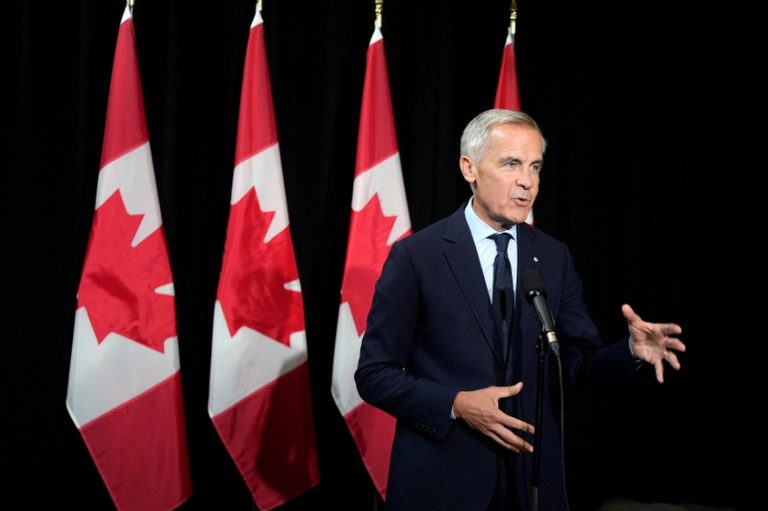
In a move that could reshape North Atlantic trade dynamics, Canadian Prime Minister Mark Carney is actively pursuing an “associate member” status for Canada within the European Union. The proposal, reported by the Wall Street Journal and confirmed by unnamed officials in Brussels and Ottawa, would allow Canadian goods, services and workers to move more freely across EU borders.
Why the push now?
Relations between Canada and the United States have deteriorated sharply since President Donald Trump returned to the White House in early 2025. Disagreements over tariff policy and other trade issues have resulted in tariffs on tens of billions of dollars of cross‑border commerce, prompting Canada to look eastward for new partners.
What associate membership could mean
Under the proposed arrangement, Canada would gain a newly created EU status that is not full membership but would grant Canadian companies and professionals access to EU markets in strategic sectors such as energy, artificial intelligence, defence and critical minerals. The EU is reportedly open to crafting this status, though it has historically been strict about membership rules.
Negotiators are also discussing joint projects that could further integrate the two economies, including laying underwater cables, building data centres, expanding cloud‑storage capacity and developing satellite networks to transport Canadian energy to European consumers.
Visa‑free travel for Canadians
Carney has spoken regularly with European leaders, most notably French President Emmanuel Macron, about allowing Canadians to live and work visa‑free throughout the EU. Both leaders are scheduled to meet later this month to advance the discussion.
Challenges ahead
While the idea enjoys high‑level interest, it faces practical hurdles. A more modest trade deal between the EU and Canada has already encountered fierce opposition in several member states, and nine years after its provisional entry into force, several EU countries have yet to ratify it. Critics argue that granting associate status could set a precedent that complicates the EU’s existing accession framework.
Nevertheless, Carney’s team sees the initiative as a way to diversify Canada’s trade portfolio and reduce reliance on a strained U.S. relationship. The Canadian embassy in Brussels and spokespeople at the European Commission declined to comment on the specifics of the proposal.
Implications for North American trade
If successful, the associate membership could provide Canadian businesses with a stable, high‑value market while offering the EU a reliable source of critical minerals and energy. It would also signal a broader strategic shift, positioning Canada as a bridge between the Atlantic economies at a time when U.S. tariff policy is prompting many Canadian firms to seek alternative export routes.
Stakeholders on both sides will be watching the upcoming Carney‑Macron meeting closely, as any concrete steps could reshape trade flows and diplomatic ties across the continent.
Original reporting: Appleton, WI News Feed (HLL/CB) — read the source article.