There is a moment, maybe ten minutes after you walk through the front doors of the Harvard Art Museums on Quincy Street in Cambridge, when you stop moving. Not because your feet are tired. Because you have just looked up.
The building’s soaring glass roof — a 2014 addition designed by architect Renzo Piano — floods the central courtyard with natural light so clean and even that the paintings on the surrounding walls seem to glow from within. It is one of those architectural moments that earns its reputation, and it sets the tone for everything that follows.
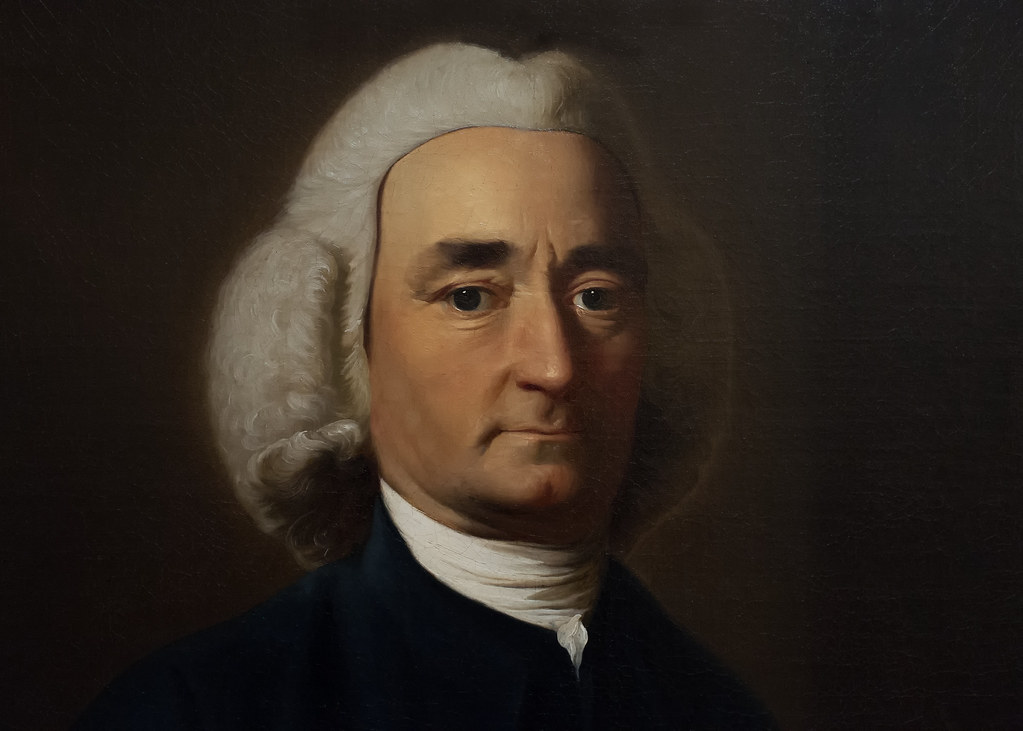
The Harvard Art Museums consolidate three distinct collections under one roof: the Fogg, the Busch-Reisinger, and the Arthur M. Sackler museums. On paper that sounds like a bureaucratic arrangement. In practice, it means that on a single afternoon you can stand in front of a Rembrandt self-portrait, cross a landing, and find yourself eye-to-eye with a German Expressionist canvas that feels like it was painted in a fever dream. The breadth is genuinely staggering, and the building is designed so that moving between collections feels natural rather than disjointed.
The Fogg collection anchors the experience. It spans Western art from the Middle Ages through the twentieth century, and its strength lies in depth rather than blockbuster names alone. Yes, there are works by Monet, Degas, and Picasso, but the real pleasure is in the less-expected finds — a small oil sketch by John Constable, a luminous Italian altarpiece from the 1300s, a suite of Ingres drawings that demonstrate why draftsmanship is its own form of genius. You are never rushed here, never crowded into a cattle-call line. The galleries feel appropriately quiet for the work they contain.
The Busch-Reisinger section is the only museum in North America devoted specifically to art from German-speaking countries, and it holds an extraordinary collection of Bauhaus material — furniture, typography, photography, and painting from one of the most consequential design movements in history. If you have any interest in modernism, architecture, or the way ideas travel across borders under pressure, this floor alone is worth the trip across the river.
General admission is fifteen dollars for adults and free for children under eighteen. Harvard students and Cambridge residents get in free, but even at full price the value is exceptional. The museum is open Tuesday through Sunday, and the first Saturday of each month is free for everyone — worth planning around if your schedule allows.
Quincy Street sits just off Harvard Square, so the logistics are painless. Take the Red Line to Harvard Station, walk five minutes through the Square, and you are there. Afterward, the neighborhood rewards a slow wander: grab coffee at one of the cafes on Mass Ave, browse the shops along Brattle Street, or simply sit in Harvard Yard and let the afternoon settle.
Boston draws visitors toward the Freedom Trail and the waterfront, and rightly so. But Cambridge’s Harvard Art Museums offer something the city’s bigger marquee institutions sometimes struggle to provide: the feeling that you have wandered into a genuinely serious, deeply considered place that was built for looking rather than for crowds. Come with a couple of free hours and leave with a few images you will not stop thinking about.