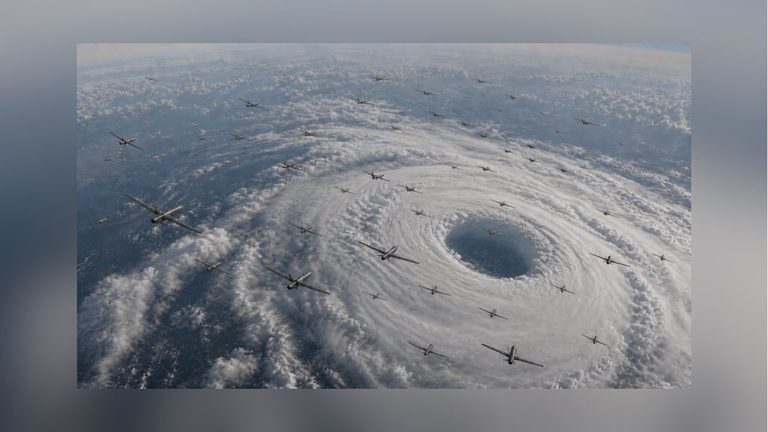
In a move that could reshape how solar farms cope with overcast skies, Meteoric Technologies Inc., a startup founded by University of Cambridge engineers and backed by Y Combinator, is developing autonomous drones that fly into low‑ and mid‑level clouds above solar installations. The company says the drones would mechanically alter water droplets in the clouds, lowering their reflectivity and allowing more sunlight to reach photovoltaic panels.
How the system is intended to work
Meteoric’s design calls for fleets of electric drones operating at altitudes of roughly 1 to 5 kilometers. Rather than spraying chemicals or building new ground infrastructure, the drones would physically disturb cloud droplets in suitable cloud layers. The company estimates that, depending on location and cloud conditions, the approach could increase annual generation from existing solar facilities by 10% to 30%.
Early results and cost outlook
During controlled cloud‑chamber testing, a prototype reduced an artificial cloud’s opacity by 13%. Meteoric has not yet disclosed any commercial deployments, and the performance figures remain modeled estimates rather than verified field data. The startup projects operating costs of $30 to $60 per drone‑hour, which it claims are lower than the expenses associated with some existing aircraft‑based fog‑ and cloud‑modification methods.
Regulatory and environmental considerations
Before the technology can be deployed at scale, Meteoric will need to address regulatory approvals, safety protocols, and potential environmental impacts. The World Meteorological Organization has cautioned that large‑scale attempts to alter weather systems often lack a solid scientific basis and could produce unintended consequences.
Long‑term ambitions
CEO and co‑founder Mete Karslioglu says the company’s immediate focus is on improving solar‑farm output, but its longer‑term vision includes exploring whether similar atmospheric techniques might mitigate the intensity of severe storms and hurricanes. Experts note that such applications are far more speculative, given the massive energy involved in large‑scale weather systems.
What’s next for Meteoric
The startup plans larger‑scale cloud‑clearing flights in 2027 to gather real‑world data. If successful, the technology could provide solar operators with a new tool to extract more value from existing assets without the need for additional land or capital‑intensive construction.
While the concept is still in its infancy, it reflects a broader trend of private innovators seeking to enhance renewable‑energy reliability through advanced engineering. As the nation continues to expand its solar capacity, solutions that address intermittency—whether through storage, grid upgrades, or novel atmospheric interventions—will be closely watched by investors, policymakers, and the energy‑industry community.
Original reporting: WBAP News/Talk (Dallas-Fort Worth) — read the source article.