Cambodia has taken a significant step in addressing its maritime boundary dispute with Thailand by initiating a United Nations-backed conciliation process. This move comes after Thailand unilaterally withdrew from a 2001 agreement that had previously provided a framework for negotiations over the disputed area in the Gulf of Thailand.
Background of the Dispute
The maritime boundary dispute between Cambodia and Thailand involves an area known as the Overlapping Claims Area (OCA) in the Gulf of Thailand. Both countries claim approximately 26,000 square kilometers of this sea, which is believed to contain substantial energy resources, including nearly 12 trillion cubic feet of natural gas and significant oil reserves valued at approximately $300 billion.
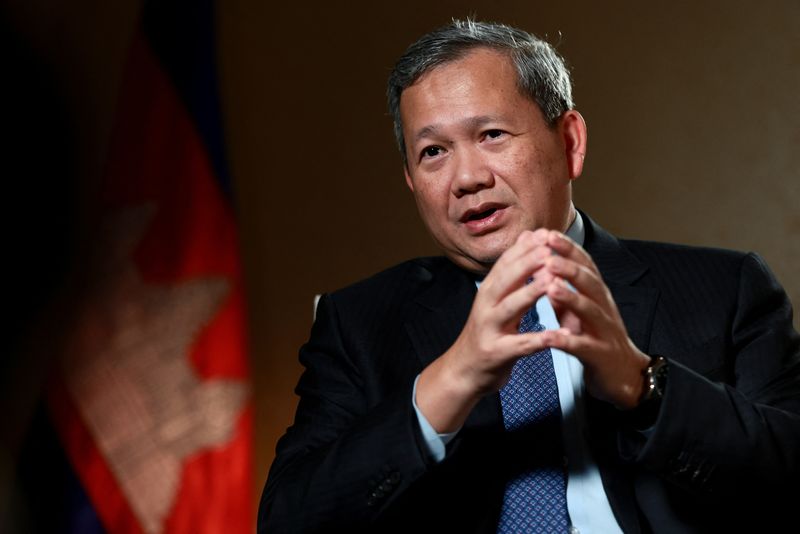
The decision to engage the United Nations Convention on the Law of the Sea (UNCLOS) for a compulsory conciliation process was announced by Cambodian Prime Minister Hun Manet. The process allows a panel of independent experts to examine the dispute and make recommendations, although these findings are not legally binding.
Thailand’s Position
Thailand’s recent decision to terminate the 2001 agreement was part of a campaign promise by Thai Prime Minister Anutin Charnvirakul, who was re-elected in February amid a wave of nationalistic sentiment. The decision follows two rounds of military clashes between the two nations last year, which resulted in significant casualties and displacement.
Despite Cambodia’s efforts to resolve the dispute through international mechanisms, Thailand has consistently favored bilateral negotiations. The Thai foreign ministry has yet to comment on Cambodia’s latest move.
UN Involvement
The conciliation process will be overseen by the UN Secretary-General. Cambodia has appointed Foreign Minister Prak Sokhonn as its agent, with Danish diplomat Peter Taksøe-Jensen and French academic Jean-Marc Thouvenin serving as conciliators. Thailand has 21 days to appoint its own conciliators, after which a chair will be selected to finalize the conciliation commission.
This development underscores the urgency to resolve the dispute, especially in light of the recent oil shock from the Iran conflict, which has heightened the need to access the undersea energy resources.
Original reporting: Appleton, WI News Feed (HLL/CB) — read the source article.