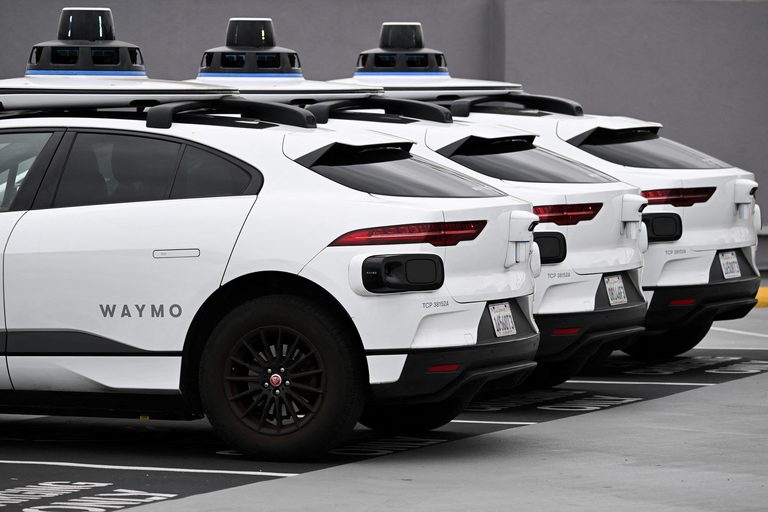
The California Department of Motor Vehicles (DMV) announced on November 11 that Waymo’s autonomous vehicles are barred from operating on state freeways until the company can demonstrate reliable detection of construction zones and emergency responders. The decision follows two recent incidents in the Bay Area where Waymo cars entered a construction closure on U.S. 101 and attempted to pass California Highway Patrol vehicles conducting a traffic break on Highway 280.
Incidents Prompting the Restriction
In the first event, three Waymo vehicles drove into a closed construction area on the 101 Freeway near a Burlington game, ignoring signage that indicated the lane was blocked. The second incident involved a Waymo car trying to overtake CHP vehicles that were performing a traffic break on Highway 280 in San Francisco. Neither incident resulted in injuries or collisions, but they raised concerns about the autonomous system’s ability to respond to temporary roadway changes.
DMV’s Response and Requirements
The DMV said the temporary ban is an extension of earlier restrictions placed on Waymo after similar construction‑zone incursions on May 18. Waymo was already required to halt freeway rides in Los Angeles, San Francisco, Phoenix and Miami while it evaluated its response to construction zones. Freeway operations had resumed in late July, but the latest restriction will remain in effect until Waymo provides evidence that its vehicles can safely detect and react to construction zones and emergency vehicles.
Waymo’s Reaction
Waymo issued a statement emphasizing its commitment to safety. “Safety is at the foundation of everything we do,” the company said. “Following recent freeway construction zone encounters on U.S. 101 in California that did not involve any injuries or collisions, the California DMV has implemented an operating restriction on freeway operations in the state. In alignment with our safety‑first principles, we have also temporarily restricted freeway operations across our other operating markets to evaluate our performance. Our ride‑hailing service continues to operate safely on surface streets, serving over half a million trips each week. We are working with the California DMV and other state officials diligently and responsibly to resume freeway operations.”
Impact on Riders
While Waymo’s surface‑street service remains active, riders who typically rely on freeway routes may experience longer travel times as the autonomous fleet avoids high‑speed corridors. The company said it will continue to monitor performance and work closely with regulators to meet the DMV’s safety standards.
Background on Waymo’s California Presence
Waymo began offering autonomous freeway trips in Los Angeles in November 2025 and has since expanded its service area to include Long Beach, Santa Clarita, Anaheim and Irvine. The temporary restriction affects all of the company’s California markets, though the service continues in other states where Waymo operates.
What Comes Next
The DMV has not set a specific timeline for lifting the ban. Waymo must submit data and testing results that prove its vehicles can reliably identify construction zones and yield to emergency responders before the DMV will consider reinstating freeway operations. Stakeholders, including commuters and local businesses that depend on efficient freeway travel, are watching the situation closely.
Original reporting: NBC4 Los Angeles — read the source article.