There is a building on the edge of Troy — close enough to Albany that locals claim it without apology — that will stop you dead in your tracks the moment you step through the door. The Burden Iron Works Museum sits inside what was once the mightiest iron-making complex in nineteenth-century America, and even in its quieted, carefully preserved state, the place radiates industrial ambition on a scale that is genuinely hard to comprehend until you are standing inside it.
The centerpiece is the Burden Water Wheel, and no photograph, no historical drawing, no breathless description you read beforehand will fully prepare you for its size. At 62 feet in diameter and 22 feet wide, it remains one of the largest water wheels ever constructed in the United States. It powered the production of horseshoes that shod the horses of the Union Army during the Civil War — a detail that hits differently once you are standing beneath the rusted iron ribs of the thing, looking up at a machine that quietly shaped American history. The wheel no longer turns, but the silence around it feels earned.
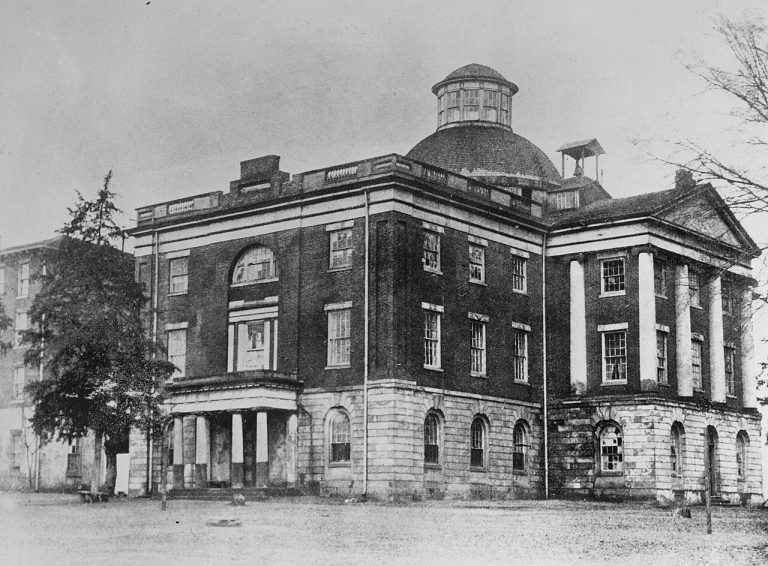
The museum occupies the restored Office Building of the original Burden Iron Works complex, a handsome Gothic Revival structure built in 1872 that has been lovingly maintained by the Hudson Mohawk Industrial Gateway, the nonprofit organization that runs the site. The interior is thoughtfully curated, with exhibits walking visitors through the rise of Henry Burden’s ironworking empire, the engineering genius behind the wheel’s design, and the lives of the immigrant workers — mostly Irish — who made up the labor force and built their community along the Wynants Kill stream that once powered the whole operation.
What makes a visit here feel different from a standard museum afternoon is the texture of the place. This is not a gleaming, climate-controlled institution where everything has been scrubbed clean of its past. The building still carries its age honestly — iron details, stone walls, high windows throwing long light across the exhibits — and that physical authenticity makes the history feel immediate rather than archived.
The Burden Iron Works Museum is open seasonally, typically on weekend afternoons from late spring through early fall, which makes it an ideal destination for a Saturday when Albany’s downtown energy starts to feel familiar. Admission is modest. Parking is easy. And the surrounding Wynants Kill gorge, just steps from the entrance, is worth a short walk on its own — a dramatic little ravine that reminds you how much raw geography powered this whole region’s industrial rise.
Albany visitors who take the time to cross the river and spend an hour or two here almost always say the same thing on the way back: they had no idea something this significant was sitting right there. That is the best possible argument for going.