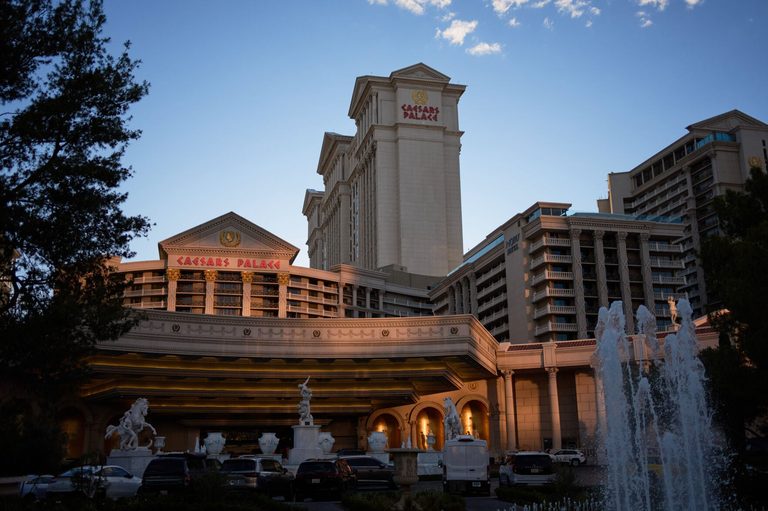
Caesars Entertainment shareholders gave the green light to a multibillion‑dollar merger with Fertitta Gaming on Tuesday, voting in Reno, Nevada. The vote tally showed more than 133 million votes in favor and just 4 million against, according to a filing with the Securities and Exchange Commission.
Deal details and valuation
The merger, first announced in May, calls for Fertitta Gaming to pay $5.7 billion and assume roughly $12 billion of Caesars’ existing debt. Combined, the transaction is valued at about $17.6 billion, creating one of the largest gaming empires in the United States.
What the companies bring to the table
Caesars Entertainment already commands a dominant presence on the Las Vegas Strip, operating iconic hotels and casinos such as Caesars Palace, the Flamingo and Harrah’s, as well as a portfolio of resort properties across the country. Fertitta Gaming, owned by billionaire Tilman Fertitta, adds the Golden Nugget casino, the Rainforest Café restaurant chain, Morton’s Steakhouse, and a host of other hospitality assets.
Tilman Fertitta, who stepped back from his role as president and director of his own company after his April 2025 confirmation as U.S. ambassador to Italy and San Marino, is the largest shareholder in Wynn Resorts and holds a significant stake in DraftKings, the sports‑betting platform.
Next steps and shareholder payout
Both companies must still clear a federal antitrust review before the merger can be finalized. If the review is successful, Caesars will transition from a publicly traded company to a privately‑held one. Shareholders who voted in favor will receive $31 in cash for each share they own.
Implications for the gaming industry
The combined entity is expected to strengthen the competitive position of U.S. gaming firms against international rivals and could lead to expanded investment in casino resorts, hotel renovations, and new entertainment offerings. Industry analysts note that the merger may also spur further consolidation as operators seek scale to navigate evolving regulatory environments and shifting consumer preferences.
Local businesses in Las Vegas and other markets where Caesars operates are watching the development closely, anticipating potential job growth and increased tourism activity that could result from the expanded portfolio.
Regulatory outlook
The Department of Justice will conduct its antitrust review, focusing on whether the merger would substantially lessen competition in any relevant market. Both parties have expressed confidence that the review will conclude favorably, citing the complementary nature of their assets and the broader benefits to consumers.
Stakeholders, including investors, employees, and community leaders, will receive further updates as the merger moves through the regulatory process and the companies work to integrate their operations.
Original reporting: KTBS 3 (Shreveport) — read the source article.