There is a building on the LSU Shreveport campus that most visitors drive right past, and I want to change that. Tucked inside the Noel Memorial Library, the Archives and Special Collections department holds one of the most quietly extraordinary repositories of Louisiana Red River Valley history you will find anywhere in the South. It is free to visit, genuinely welcoming to curious drop-ins, and it has a way of turning a twenty-minute browse into a two-hour stay.
Let me set the scene. You walk into a research reading room lined with archival boxes, antique maps unrolled under glass, and rotating displays of objects and photographs that trace Shreveport’s life from the Caddo Nation’s flourishing settlements along Caddo Lake and the Red River, all the way through the cotton boom, the Civil War, and the oil-field frenzy of the early twentieth century. The staff — actual archivists who clearly love this material — are happy to pull documents and talk you through what you’re looking at. This is not a place that keeps its treasures locked away from the merely interested; it is built for engagement.
One of the standout features of the collection is the Caddo cultural documentation. The Caddo people were the original architects of this region, and the materials here — early ethnographic photographs, land cession documents, hand-drawn maps of ancient village sites — tell that story with a depth that no roadside marker ever could. Spending time with these records recalibrates how you see everything else about Shreveport. The city did not begin with European settlement; it inherited a landscape already shaped by centuries of sophisticated civilization.
The Civil War holdings are equally gripping. Shreveport served as the Confederate capital of Louisiana from 1863 to 1865, and the collection includes correspondence, military orders, and newspaper front pages from that tense, strange period when this city was suddenly the seat of a crumbling government. There are materials related to the Red River Campaign of 1864 — one of the war’s more underappreciated chapters — that you simply will not find presented this accessibly anywhere else in the region.
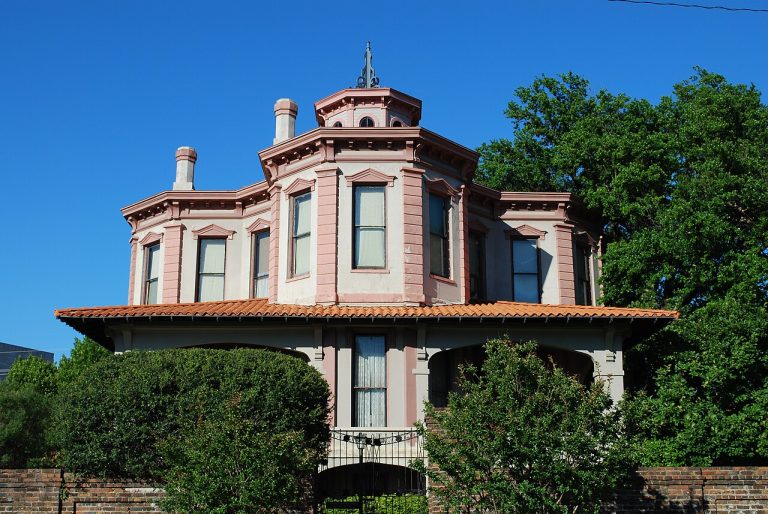
The campus itself sits in the South Highlands area of Shreveport, a neighborhood of graceful old homes and oak-lined streets, and the Noel Library building is a handsome mid-century structure that carries its own quiet dignity. Parking is easy, the campus is calm, and the whole experience feels like a genuine discovery rather than a packaged tourist stop.
Plan for a weekday visit when the full archival staff is on hand. Bring a notebook. Ask questions. The people who work here have devoted careers to this material and they are genuinely glad when someone walks through the door who wants to understand it. Shreveport’s story is richer and longer and stranger than most people realize, and this is the best possible place to start finding that out.