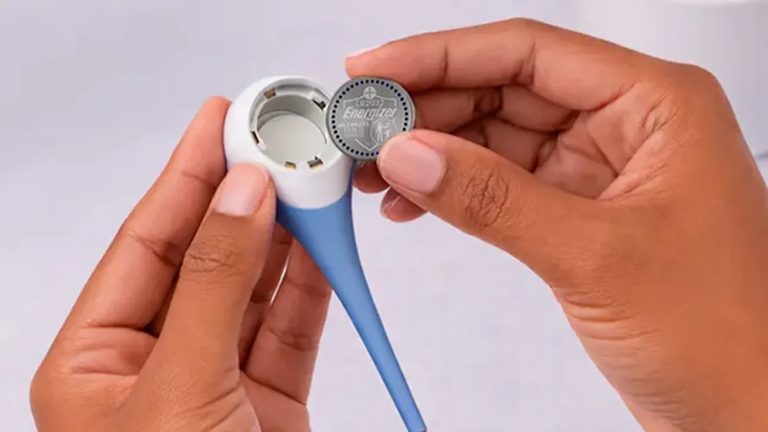
North Carolina families face a hidden danger in everyday household items: button batteries. These tiny power sources, found in remote controls, key fobs, toys, greeting cards, thermometers and even light‑up clothing, can cause severe internal burns or death within as little as two hours after a child swallows them.
Tragic loss spurs legislative action
In 2020, Trista Hamsmith’s 18‑month‑old daughter, Reese, died after ingesting a button battery. The heartbreaking loss prompted Hamsmith to discover that similar incidents were far from isolated. Determined to protect other families, she founded a nonprofit in Reese’s name and advocated for stronger safety standards.
Her efforts helped secure the passage of Reese’s Law in 2022. The law requires child‑resistant packaging and more secure battery compartments for products that contain button batteries sold in North Carolina. It represents a concrete step toward safeguarding young children from this silent hazard.
Manufacturers respond, but risks remain
Since the law’s enactment, some manufacturers have added bitter coatings and bright blue dye to button batteries, aiming to deter swallowing and make any ingestion easier to spot. Energizer has introduced a new “Ultimate Child Shield” battery that incorporates materials designed to prevent the electrical reaction that causes internal burns if the battery is swallowed.
Despite these advances, a recent Consumer Reports investigation found that roughly one‑third of button‑battery products purchased online still have batteries that are dangerously accessible. This indicates that while progress is being made, many products on the market remain a threat to children.
What parents can do now
Consumer Reports recommends that parents take immediate, proactive steps to protect their children:
- Inspect toys, remotes, key fobs, thermometers, light‑up clothing and any other household items for button batteries.
- Keep loose batteries locked away, out of reach of children.
- Ensure that battery compartments are secure and truly child‑resistant.
If a child is suspected of swallowing a battery—or placing one in the ear or nose—treat it as a medical emergency, even if no symptoms are present. Call the Battery Ingestion Hotline at 800‑498‑8666 or Poison Help at 800‑222‑1222 right away.
Community response
Local pediatricians and safety advocates have praised Reese’s Law as a vital protective measure, while also urging continued vigilance. “Legislation is a crucial layer of protection, but parental diligence remains the first line of defense,” said Dr. Laura Mitchell, a pediatrician in Raleigh.
Parents are encouraged to share safety tips with neighbors, schools and childcare providers, creating a community-wide shield against this preventable danger.
Original reporting: WRAL Raleigh — read the source article.