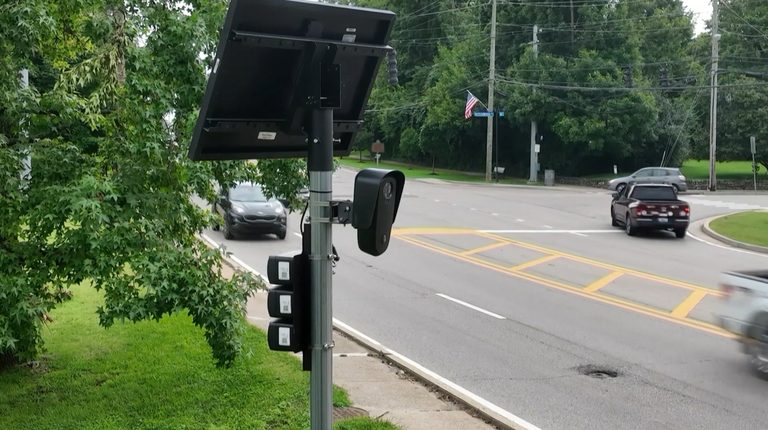
Butler County, Ohio – In a livestream broadcast on Thursday, Sheriff Richard Jones told residents that the county sheriff’s office will continue to employ Flock license‑plate readers despite a wave of criticism and a growing number of neighboring jurisdictions pulling the technology.
Why the Sheriff Supports the System
Jones emphasized that the cameras are “just another tool for law enforcement” and highlighted their role in investigations ranging from minor misdemeanors to serious homicide cases. “We use it to solve crimes, from misdemeanors to murders,” he said in the video posted to the department’s Facebook page. He added that any officer who misuses the system has faced termination or criminal charges.
Recent Abuse Cases Prompt Calls for Oversight
Jones referenced two recent incidents in Kentucky where law‑enforcement officers were charged after allegedly abusing Flock data in Jefferson County and Gallatin County. Those cases have intensified calls for stricter safeguards.
Seeking State‑Level Safeguards
The sheriff said he has already spoken with Ohio state lawmakers about establishing clearer regulations to prevent misuse of the technology. He urged the legislature to create parameters that protect privacy while preserving the investigative benefits of the system.
Contrasting Decisions in the Greater Cincinnati Area
Jones’ remarks came just hours after Hamilton County Sheriff Charmaine McGuffey announced a pause on the use of Flock cameras in her jurisdiction. McGuffey also indicated she would be working with the Ohio legislature to develop safety‑first guidelines. Over the summer, more than half a dozen communities in the Greater Cincinnati region—including Newport, Independence, Fort Mitchell, Erlanger, Fort Thomas, Edgewood, Pierce Township and Oxford—have terminated their contracts with Flock, citing public concern over privacy and potential abuse.
Company Response to Privacy Concerns
In response to the backlash, Flock announced changes to its data‑retention policies. The default retention period for captured license‑plate data will be reduced from 30 days to seven, and the company will make misuse‑detection tools mandatory for every customer.
What This Means for Butler County Residents
For citizens of Butler County, the sheriff’s decision means that the department will continue to scan vehicle plates on public roadways, highways and major thoroughfares. The data collected is intended to aid investigations, locate stolen vehicles, identify wanted persons and support broader public‑safety initiatives. Residents who are concerned about privacy can expect the sheriff’s office to work with state officials on any forthcoming regulations and to monitor the system for potential abuse.
Community Reaction
Local community groups have expressed mixed feelings. Some neighborhood associations appreciate the added security measure, while civil‑liberties advocates warn that expanded surveillance could erode personal freedoms. The sheriff’s office has invited public comment at an upcoming county commissioners meeting, where the topic is expected to be a key agenda item.
Looking Ahead
As the debate over license‑plate readers continues across Ohio and the broader Midwest, Butler County’s stance illustrates the tension between law‑enforcement effectiveness and privacy safeguards. The outcome of the state‑level regulatory discussions will likely shape how many other counties approach the technology in the coming years.
Original reporting: WLWT Cincinnati — read the source article.