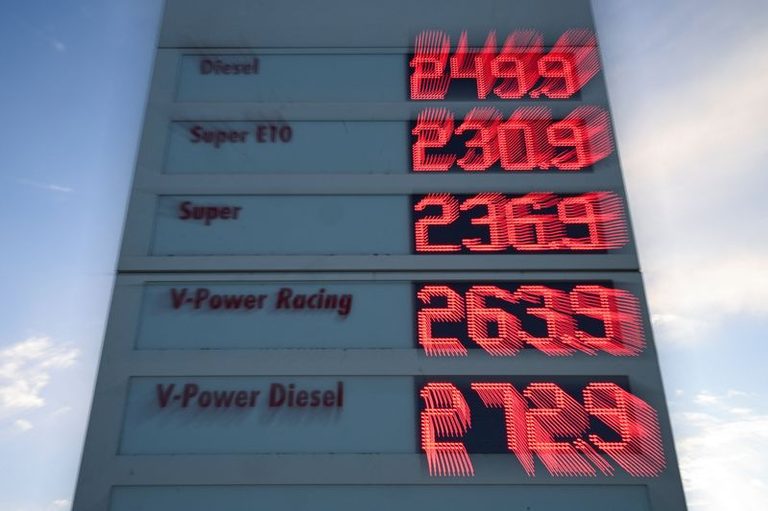
FRANKFURT – The Bundesbank’s latest monthly report warns that Germany’s inflation rate will stay elevated for the foreseeable future. Inflation was 2.9% in August and the bank expects it to remain “elevated for the time being” as fuel and refined‑oil prices stay high, gas inventories stay low, and the risk of broader energy‑cost spillovers persists.
Energy and healthcare reforms drive price pressure
The central bank points to two key factors behind the price surge. First, higher energy costs tied to the ongoing conflict in Iran are keeping fuel prices up. Second, a set of healthcare reforms slated to take effect at the start of 2027 – together with changes to pharmacy supply rules introduced this year – are projected to lift inflation by nearly half a percentage point in the first half of next year.
Growth slows this summer, but a recovery is expected
On the activity side, the Bundesbank says Germany’s economy grew only slightly in the current quarter, reflecting weaker exports, softer consumer spending and drought‑related impacts on agriculture. Nonetheless, the bank remains optimistic that the final three months of the year will see a rebound. Business surveys show a brighter outlook for manufacturing, fiscal support continues to bolster activity, and ongoing infrastructure spending underpins construction.
“The outlook will also depend on how the conflict in the Middle East develops and how quickly water levels in important waterways normalise,” the Bundesbank noted, highlighting the uncertainty surrounding both energy markets and agricultural conditions.
Political implications
Rising living costs and a sluggish economy have become increasingly salient political issues in Germany, fueling voter dissatisfaction with mainstream parties. While the Bundesbank’s report is purely economic, its findings are likely to shape policy debates ahead of upcoming elections, as parties grapple with how to balance price stability, growth, and social welfare.
What this means for households
For German families, the persistence of higher inflation means that everyday expenses – especially fuel, utilities and health‑care costs – will remain a strain. The temporary boost from health‑care reforms may add to price pressures before the new system settles in 2027.
Consumers are advised to monitor energy prices closely and consider budgeting for the anticipated increase in health‑care costs. The Bundesbank’s outlook suggests that while a modest recovery is on the horizon, price pressures will likely linger through the end of the year.
Original reporting: Appleton, WI News Feed (HLL/CB) — read the source article.