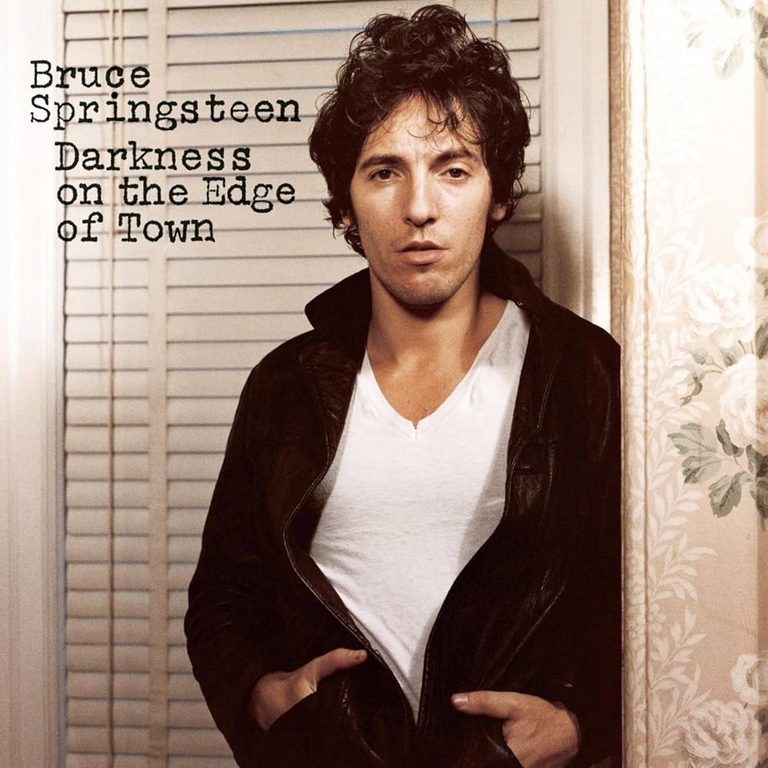
Bruce Springsteen’s 1978 album ‘Darkness on the Edge of Town’ is a reckoning album, made for people who understand there’s meanness in the world. The album begins with the ride already over, the promises thinned out, and the people left behind figuring out what comes next.
Background
In 1978, Springsteen had already survived one of rock’s stranger meteoric rises. Born to Run turned him from Jersey boardwalk poet into a national event, complete with magazine covers and hype so oversized it made him recoil from his own success.
Behind the curtain, the whole machine locked up. A legal battle with former manager Mike Appel froze his ability to record for nearly three years. During that stretch, Springsteen began reassessing everything: fame, class, America itself.
Music and Influence
The E Street Band had hardened in the meantime. Old friend Steven Van Zandt officially joined for his first record as a member of the band and immediately helped push the album toward something leaner, more direct, peeling away much of the cinematic glow that coated Born to Run.
The album’s influence spread far beyond Springsteen’s own catalog. Peers like Patti Smith, Van Morrison, and Warren Zevon shared overlapping instincts with Springsteen during this era, writing about bruised strivers and compromised landscapes with similar literary ambition.
Original reporting: SaportaReport — read the source article.