The piece looks at why broadcasters are shifting to software-defined infrastructure and the practical, step-by-step moves they’re making now, highlighting vendors and industry touchpoints such as Ross Video and Synamedia, a U.K. military broadcaster’s digital efforts, and regulatory chatter around the FCC and headlines like “Dems Blast FCC Disney Probe As `Egregious Abuse of Power’,” while also noting industry figures including Gayle Benson and organizations like NAB and station transfers involving Block, Sagamore Hill, and Gray.
Why Broadcasters are Rethinking Infrastructure One Practical Step at a Time
Broadcasters are rethinking infrastructure because the math finally works and the risk profile has shifted. Software-defined systems let operations scale without hauling around racks of bespoke hardware, and that matters when budgets are tight and schedules are unforgiving. The strapline about why software-defined infrastructure gets attention now isn’t hype; it’s a reaction to real operational pain points.
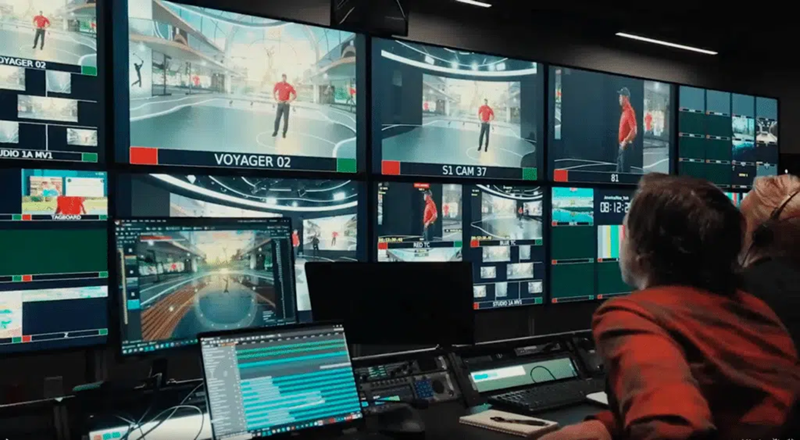
At the heart of the shift is flexibility. Moving control, routing and processing into software makes it faster to repurpose capacity for events, handle remote production, and adapt to new codecs and formats without forklift upgrades. That flexibility often translates into lower long-term costs and a shorter path to deploying new features that audiences expect.
Vendors are meeting broadcasters halfway with hybrid approaches that blend existing playout and routing with virtualized elements. Companies such as Ross Video show how graphics, control surfaces and automation can be layered on top of current systems so engineers don’t have to reinvent the wheel overnight. That practical approach reduces disruption while letting teams learn and tune new workflows on a measured timeline.
Another motivator is the rise of IP-based transport and cloud-native tooling. IP facilities let signals move like packets, so remote teams can collaborate as easily as studio crews, and cloud services provide burst capacity for live events without permanent overprovisioning. Synamedia and other platform vendors are part of that ecosystem, and examples like a U.K. military broadcaster adopting a digital platform illustrate how even mission-critical operations see value in the move.
Industry dynamics are pushing change as well. Consolidation and regulatory developments create pressure to be nimble. Headlines such as “Dems Blast FCC Disney Probe As `Egregious Abuse of Power’” or station license transfers from Block and Sagamore Hill to Gray keep attention on governance and compliance, and broadcasters want systems that make reporting, auditing and reconfiguration less painful.
Leadership and institutions matter in this transition. Names like Gayle Benson and groups such as NAB show that industry leadership still frames much of the conversation around standards, interoperability and workforce development. Awards and recognition reflect broader priorities, but the real work happens in engineering rooms where migration plans meet reality.
Practical steps most shops are taking are modest and sequenced. Start by virtualizing noncritical services, make monitoring and observability a baseline, and pilot IP signal paths on a single venue before scaling. Security, staff training and integration testing are not afterthoughts; they’re the pillars that keep a multi-year migration from turning into a costly experiment.
Cost and risk tradeoffs remain front and center. Capex savings look attractive but come with new opex patterns, and migrating a decades-old facility requires careful planning around redundancy and disaster recovery. Vendors including Ross Video and platform providers known for service work can ease that path, but the internal discipline to document interfaces, test failover and retain clear rollback plans is nonnegotiable.
Where this gets exciting is operational speed. Once software-defined elements are trusted, teams can introduce new services in weeks instead of months, spin up regional feeds for niche audiences, and shift staff from maintenance to creative workflows. That change doesn’t erase all legacy headaches, but it gives broadcasters options they didn’t have when every switch and router was an island.
For broadcasters thinking about the next phase, the sensible route is incremental modernization that preserves core reliability while opening doors for automation and remote production. Treat each project as a mini migration with measurable goals, and use vendor partnerships, industry forums and tested pilots to reduce surprises. The future will favor teams that move carefully, learn fast, and keep delivering the shows people expect.