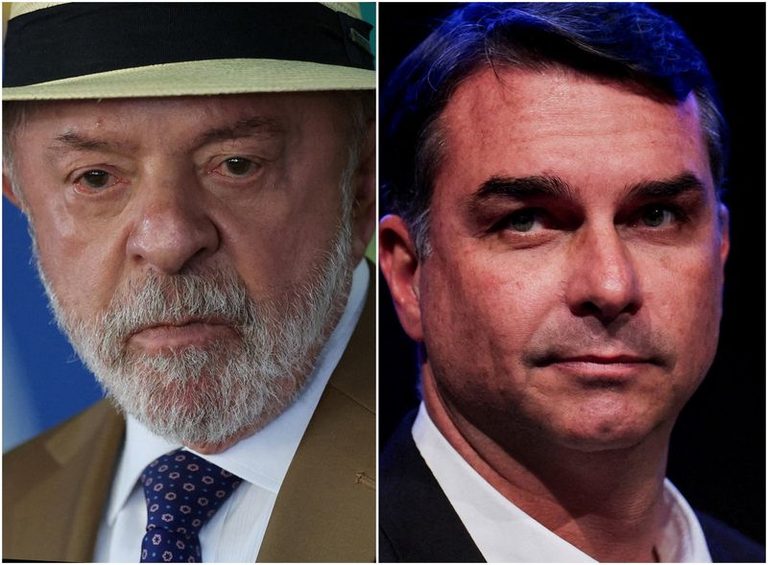
In a recent national poll, Brazil’s left‑leaning President Luiz Inácio Lula da Silva and right‑wing Senator Flávio Bolsonaro are locked in a statistical tie, each garnering 41% of the vote in a simulated runoff. The poll, conducted by research firm Quaest and commissioned by Globo, reflects the intense competition that will define Brazil’s October presidential election.
Poll methodology and results
Quaest surveyed 2,004 respondents between September 3 and September 6, applying a margin of error of plus or minus two percentage points. The poll’s headline figures show Lula at 41% and Bolsonaro at 41%, with a slight edge for Lula in an earlier release on September 2 that placed him at 42% to Bolsonaro’s 41%.
Implications for the upcoming runoff
The tied numbers suggest a highly competitive second round, underscoring the deep political polarization in Brazil. Lula, who has served as president since 2023 after a previous tenure, represents the Workers’ Party and a platform focused on social programs, labor rights, and a more interventionist economic approach. Bolsonaro, the son of former President Jair Bolsonaro, runs on a platform emphasizing law‑and‑order, deregulation, and a return to more conservative social policies.
Both campaigns are likely to intensify outreach in the coming weeks, targeting undecided voters and attempting to sway those who supported other candidates in the first round. The narrow margin also places a premium on voter turnout, especially in swing states such as São Paulo, Minas Gerais, and Rio Grande do Sul, where historical voting patterns have shown variability.
Historical context
Brazil’s presidential elections have frequently produced runoff scenarios when no candidate secures an outright majority in the first round. The 2022 election, for example, saw Lula defeat Jair Bolsonaro after a tightly contested second round. This year’s poll suggests a similarly close contest, highlighting the electorate’s divided preferences between progressive social policies and conservative governance.
What voters should watch
Key issues likely to dominate the final stretch include the economy, public safety, and Brazil’s role on the global stage. Lula’s administration has emphasized expanding social welfare programs and protecting workers’ rights, while Bolsonaro’s campaign promises to curb crime and reduce government regulation.
Analysts also note that external factors—such as commodity price fluctuations and regional diplomatic developments—could influence voter sentiment in the final weeks before the October ballot.
Looking ahead
With the runoff scheduled for October, both campaigns will continue to refine their messages and mobilize supporters. The Quaest poll’s tight numbers serve as a reminder that every vote will matter, and that Brazil’s political future remains uncertain until the final count.
Readers are encouraged to stay informed through reputable news sources and to participate in the democratic process when the election day arrives.
Original reporting: Appleton, WI News Feed (HLL/CB) — read the source article.