In a recent national poll, Brazil’s two leading presidential contenders are essentially dead‑locked as the country heads toward a runoff election next month. The AtlasIntel/Bloomberg survey, carried out between September 4 and September 9, asked 5,000 adults about their voting intentions in a hypothetical second‑round contest.
Poll numbers reveal a razor‑thin margin
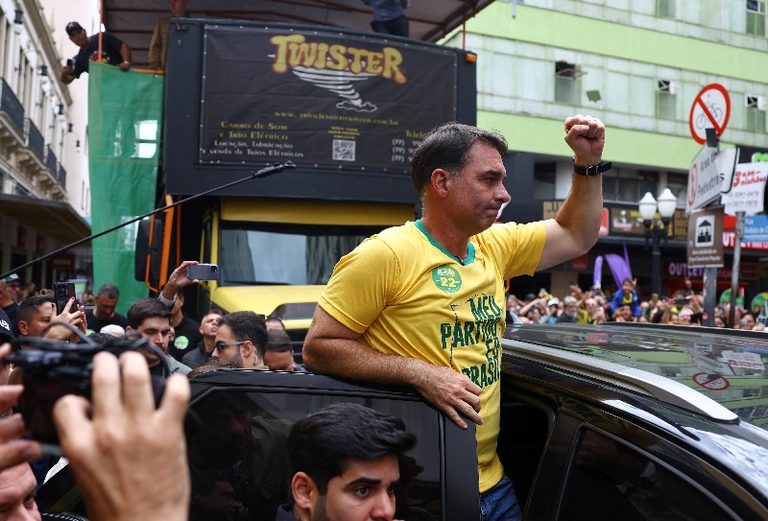
The poll shows Senator Flavio Bolsonaro, the eldest son of former President Jair Bolsonaro, receiving 46.4% of the vote, while incumbent President Luiz Inácio Lula da Silva trails closely at 46.2%. The margin of error is reported at one percentage point, meaning the race is statistically tied.
Comparison with earlier polling
Just weeks earlier, in late August, the same pollster recorded Lula ahead at 47.1% to Bolsonaro’s 42.6%. The shift suggests a tightening of the race as voters reassess their preferences closer to the election date.
Methodology and sample
AtlasIntel surveyed a nationally representative sample of 5,000 respondents using a combination of telephone and online interviews. The poll’s margin of error of ±1 percentage point reflects standard confidence levels for surveys of this size.
What the numbers mean for the campaign
Both campaigns have emphasized different priorities. President Lula’s administration has highlighted continued economic recovery, social programs, and Brazil’s role on the global stage. Senator Bolsonaro’s campaign focuses on law‑and‑order policies, fiscal restraint, and a return to the more nationalist agenda of his father’s tenure.
Political analysts note that a statistically tied poll underscores the importance of voter turnout and the potential impact of undecided voters in the final weeks. Regional dynamics, such as support in the agricultural heartland versus urban centers, could also sway the outcome.
Historical context
This election marks a rare showdown between a left‑leaning incumbent and a right‑wing challenger with strong family ties to a previous president. Brazil’s recent political history has been marked by deep polarization, and the close numbers reflect a nation still divided on the direction of its future.
Looking ahead
The official first‑round vote is scheduled for early October, with a runoff to follow if no candidate secures an outright majority. Both campaigns are expected to intensify outreach, focusing on swing states and key demographic groups.
Observers will watch for any shifts in public sentiment as the campaigns enter the final stretch, and additional polling will likely be released in the coming weeks to track the evolving race.
Original reporting: Appleton, WI News Feed (HLL/CB) — read the source article.