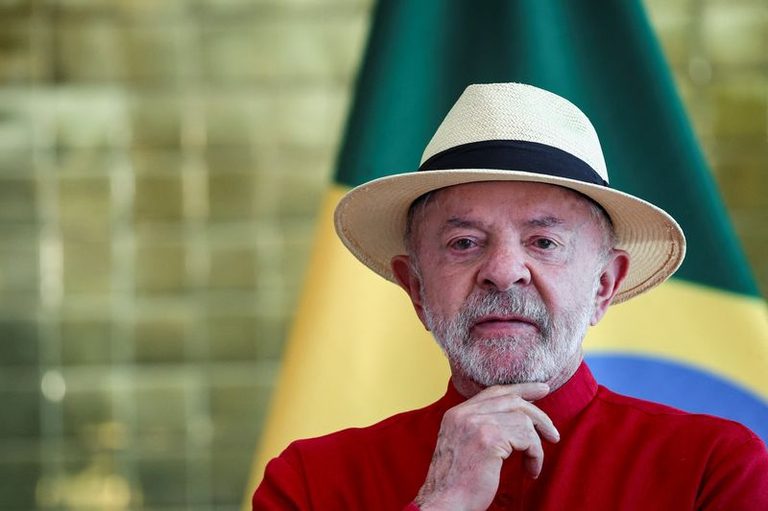
In a fresh AtlasIntel/Bloomberg survey released Monday, Brazil’s incumbent President Luiz Inácio Lula da Silva sees his projected margin over opposition Senator Flávio Bolsonaro tighten ahead of the October runoff election. The poll puts Lula at 47.1% of the vote, while Bolsonaro, the son of former President Jair Bolsonaro, trails at 42.6%.
Poll trends and recent shifts
The latest figures represent a modest decline from a July poll that had Lula at 49.2% and Bolsonaro at 42.9%. Analysts note that the narrowing gap reflects a growing consolidation of support for the Bolsonaro camp as the campaign enters its final weeks.
What the numbers mean for the runoff
Brazil’s electoral system requires a second round when no candidate reaches an outright majority in the first round. With Lula’s lead now hovering just under five points, the race is poised to become highly competitive. Both campaigns are expected to intensify outreach to undecided voters, particularly in swing states such as Minas Gerais and Rio Grande do Sul.
Key issues driving voter sentiment
Economic stability, public security, and the handling of the Amazon rainforest remain central themes. Lula’s administration has emphasized social programs and a commitment to re‑engage with international partners, while Bolsonaro’s platform focuses on law‑and‑order policies and a more aggressive stance on environmental regulation.
International attention
Foreign observers are closely watching Brazil’s election, given its influence in Latin America and its role in global climate negotiations. The narrowing margin underscores the importance of the upcoming runoff for regional stability and economic partnerships.
Looking ahead
With only weeks left before voters head to the polls, both campaigns are likely to increase advertising, hold rallies, and seek endorsements from influential figures. The final outcome will hinge on voter turnout and the ability of each candidate to sway the remaining undecided electorate.
Original reporting: Appleton, WI News Feed (HLL/CB) — read the source article.