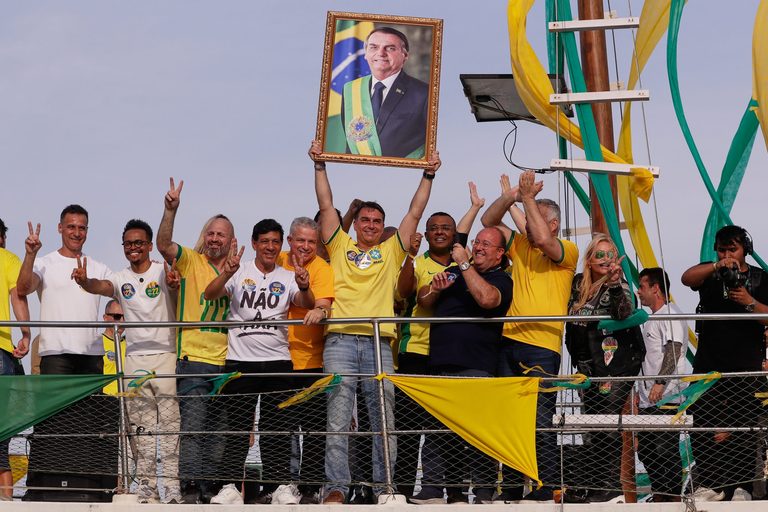
In a move that could shape the tone of Brazil’s upcoming presidential election, the nation’s highest electoral court issued new standards for artificial‑intelligence‑generated deepfakes in political advertising. The ruling, announced Tuesday, comes after a controversy involving opposition candidate Sen. Flávio Bolsonaro, who used AI to display his incarcerated father, former President Jair Bolsonaro, endorsing his campaign at a party convention.
Court’s Decision and Rationale
The court voted 4‑3 not to punish Sen. Bolsonaro, determining that the AI‑generated video was shown at a private party event before his candidacy was officially declared, and therefore did not qualify as a public political ad. In a separate 5‑2 vote, however, the judges established a clear definition of a political‑advertising deepfake: “synthetic content produced or manipulated via artificial intelligence or equivalent technology” that realistically recreates the image, voice, or speech of any living, deceased, or fictional person.
Impact on Campaigns and Broadcasters
These standards will apply to the flood of campaign material expected before the first round of voting on Oct. 4. Broadcasters must allocate 14 minutes each day for roughly 1,000 thirty‑second ads, plus twelve‑and‑a‑half‑minute blocks reserved exclusively for presidential candidates. By setting a legal benchmark, the court hopes to curb the spread of misleading AI content that could sway voters.
Background on the Bolsonaro Case
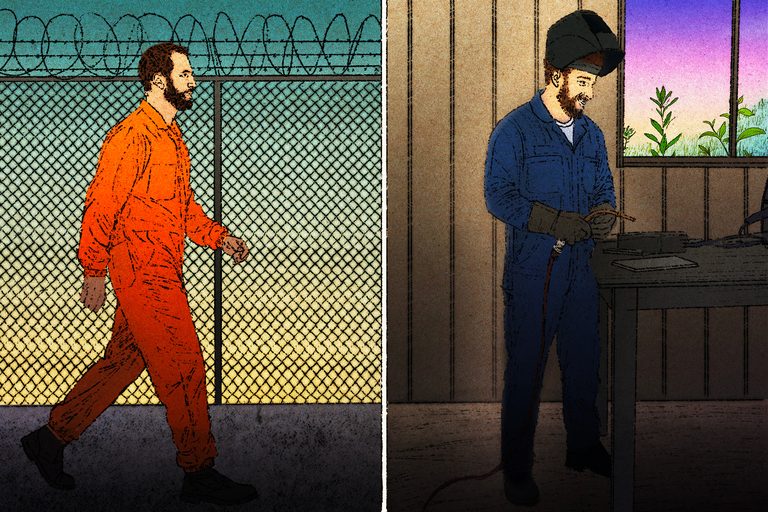
Former President Jair Bolsonaro, sentenced in November to 27 years in prison for leading a coup attempt, appeared in an AI‑generated clip at the Liberal Party’s convention in São Paulo in July. The synthetic video urged attendees to “open arms” for his son’s campaign. While the court found the clip did not breach advertising rules, it used the case to clarify the legal definition of deepfakes moving forward.
Why This Matters for Brazilian Voters
Brazil’s elections have become increasingly digital, with social media playing a pivotal role in shaping public opinion. Yet television and radio remain influential, especially in rural areas. By establishing clear guidelines, the electoral court aims to protect the integrity of the electoral process and ensure that voters receive authentic information.
International Context
Brazil joins a growing list of nations grappling with AI‑driven misinformation. The court’s proactive stance signals a willingness to confront emerging technology challenges head‑on, offering a model that other democracies may watch closely as they consider their own regulatory approaches.
As the October vote draws near, candidates and media outlets will need to navigate these new rules carefully. The court’s decision underscores the importance of truthfulness in political communication and the responsibility of all participants to uphold democratic values.
Original reporting: Alexandria, VA News – WTOP News — read the source article.