The building on Texas Boulevard doesn’t advertise itself much. Drive past it on a weekday and you might clock it as a civic hall of some kind — brick facade, modest signage, nothing that telegraphs what’s inside. Most people who’ve lived in Texarkana for years admit they assumed the Texarkana Regional Arts & Science Center was a place for school field trips and not much else. That assumption is worth revisiting.
TRASC, as locals call it, shares space with Texarkana College and pulls double duty as a working gallery and a hands-on science facility. The rotating art exhibitions are the part that tends to catch people off guard. The center brings in regional and national traveling shows with enough regularity that there’s usually something on the walls worth seeing. Past exhibitions have included works from professional artists with serious résumés — not student showcases or fundraiser prints, but actual curated shows. When one closes, another is typically already scheduled.
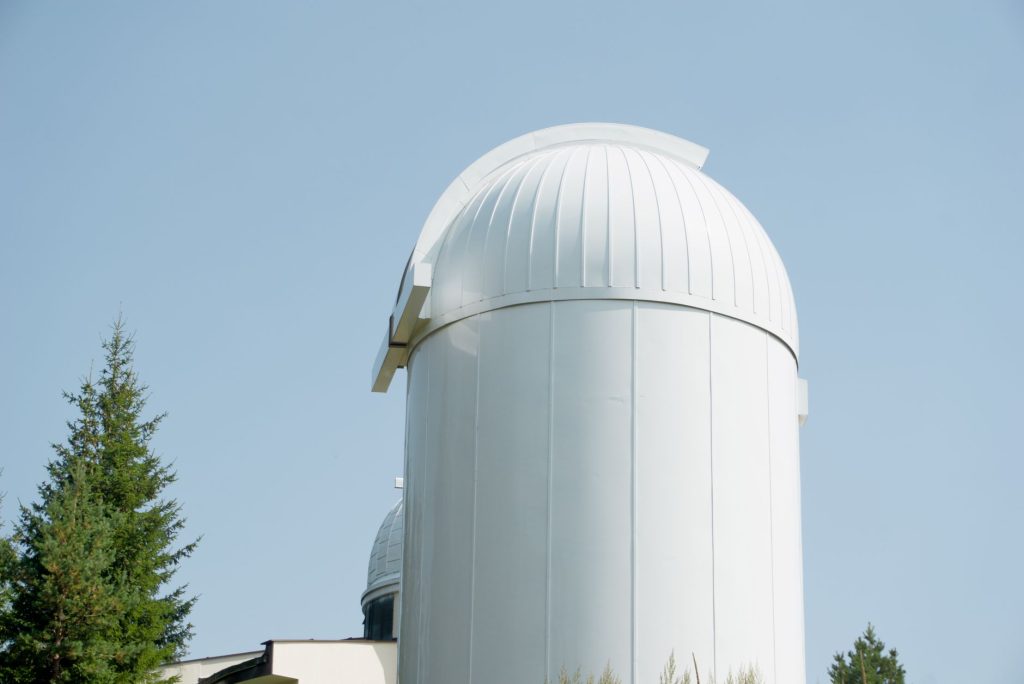
The science wing skews younger, but it’s not dumbed down. Interactive displays on geology, biology, and physics hold up for adults who actually engage with them rather than just supervising kids. The planetarium — a small dome theater — runs public shows on weekends and schedules school programs during the week. A Friday or Saturday evening show costs a few dollars and lasts around 45 minutes. For a town without a major science museum, it fills a real gap.
Admission to the gallery is free on most days, which makes it an easy stop if you’re already on that side of town near Texarkana College. Planetarium tickets run around four to six dollars depending on the program. The center isn’t open on Sundays, and hours can shift around holidays, so checking their schedule before making a special trip is worth the thirty seconds.
What keeps TRASC from feeling like a checkbox item on a civic to-do list is that the staff actually knows the material. Docents in the gallery can speak to the work — not just recite the wall text, but have a conversation about it. That’s rarer than it should be in a mid-size city’s arts infrastructure.
The neighborhood context helps place it, too. Texas Boulevard on this stretch runs through the institutional core of Texarkana — colleges, government offices, public facilities. It’s not a destination corridor for dining or shopping, which probably contributes to the center flying under the radar. But it also means parking is easy and the pace is calm. You’re not competing with foot traffic or noise.
If your mental image of Texarkana’s cultural life runs toward barbecue joints and honky-tonks, TRASC doesn’t disprove that picture — it just adds something to it. This is a city where someone put sustained effort into keeping a legitimate arts and science institution running, and the result is a place that holds its own against facilities in larger cities. Not every visit will knock you flat, but the ones that catch a strong exhibition will remind you that this corner of East Texas has been quietly building something real.