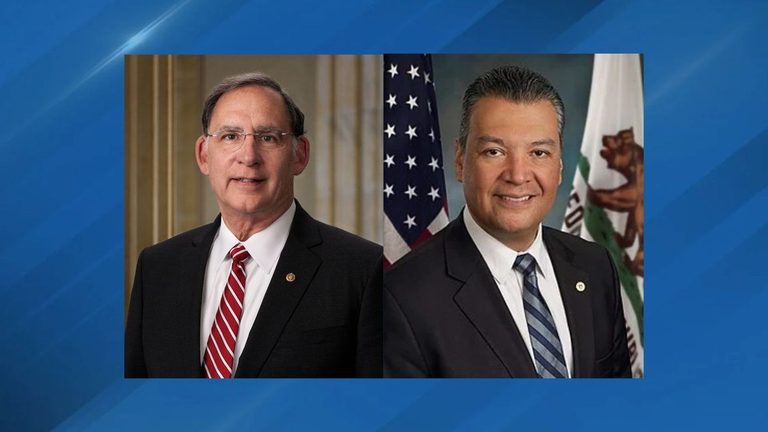
Senators John Boozman, Republican of Arkansas, and Alex Padilla, Democrat of California, announced a bipartisan effort to strengthen the National Wildlife Refuge System. The legislation, called the National Wildlife Refuge Habitat Partnership Act, would grant the U.S. Fish and Wildlife Service (FWS) explicit authority to enter contracts and agreements with state, tribal and non‑governmental partners for habitat management.
Why the bill matters for local communities
Both senators emphasized that healthy refuges are not just a national treasure but a local asset. Padilla said, “Our public lands are some of our nation’s greatest treasures. Healthy, well‑maintained national wildlife refuges are critical to improving fish and wildlife habitat, reducing the impact of natural disasters, and improving access to recreation.” By leveraging expertise, equipment and personnel from a broader pool of partners, the bill aims to ensure that refuge lands across the country remain vibrant for hunting, fishing, bird‑watching and other outdoor pursuits that support local economies.
How the partnership model works
The proposed act mirrors authorities already given to the U.S. Forest Service, the Bureau of Land Management and the National Park Service. Under the new framework, FWS could formalize collaborations with state wildlife agencies, tribal conservation programs and nonprofit organizations that specialize in habitat restoration. These partnerships would allow for more flexible, timely responses to issues such as invasive species, water‑level management and vegetation control.
Arkansas benefits highlighted
Boozman pointed to the ten national wildlife refuges located in Arkansas as a concrete example of the bill’s impact. “Effective management of these sites requires the right resources and collaboration,” he said. “By making better use of available resources and expertise, we can strengthen conservation efforts and ensure these habitats remain healthy for future generations.” The legislation would give FWS greater flexibility to work with local partners, potentially reducing the need for costly federal‑only operations.
National implications
Beyond Arkansas and California, the act would apply to the hundreds of refuges managed by FWS nationwide. Improved habitat management can bolster populations of fish, waterfowl, wildlife and plant species that depend on these protected lands. In addition, healthier ecosystems contribute to flood mitigation and water‑quality improvements—benefits that resonate in flood‑prone regions across the United States.
Legislative outlook
The bill is expected to move through the Senate Committee process with bipartisan support, reflecting a shared recognition of the importance of conservation and the practical advantages of public‑private collaboration. If enacted, the act would represent a significant step toward modernizing the management of America’s public lands while honoring the stewardship role of local and tribal partners.
What’s next for citizens
Stakeholders—including local hunters, anglers, wildlife enthusiasts and conservation groups—are encouraged to monitor the bill’s progress and provide input during the committee hearings. The partnership model promises more opportunities for community involvement in preserving the natural heritage that defines many regions of the country.
Original reporting: KATV Little Rock (local) — read the source article.