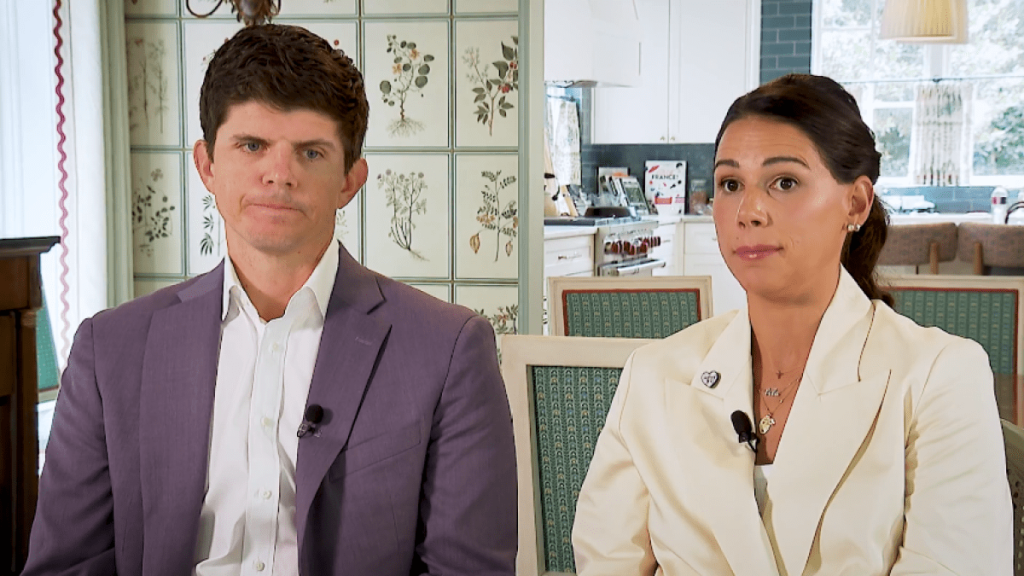
The Bonner family talks about honoring Lila’s legacy and new blessings. In this piece we sit with relatives, friends, and neighbors as they remember what made Lila who she was and how the family is turning grief into purpose. You’ll hear about rituals they’ve kept, the ways they’re helping the community, and the quiet openings of joy that followed a hard season.
There’s a kind of gravity that arrives when a family decides to honor someone whose presence shaped their daily lives. For the Bonners, Lila’s habits and stories are now the blueprint for how they celebrate birthdays, gather for holidays, and support each other. They’ve pulled together little rituals—cooking her favorite meals, reading aloud from a dog-eared book she loved—to keep her voice in the room.
Neighbors noticed the change first: casseroles left on porches, cards stacked on the mantel, and kids who suddenly asked to learn a craft that Lila used to teach. That communal response gave the family a practical route for memory work, turning private grief into neighborhood care. Those small, ordinary actions have been a steady reminder that legacies live in the way people treat one another.
Honoring Lila hasn’t stayed sentimental; it’s moved into tangible projects. The Bonners launched a modest scholarship in her name for a local student who shows curiosity and kindness, traits Lila prized above grades. They also started a volunteer day at the community garden she loved, pairing cleanup time with storytelling so her lessons get passed down in the open air.
While memorials and scholarships matter, the family says the real work is in changing how they show up for each other. Siblings have been deliberate about listening more and arguing less, and cousins are sharing responsibility for family traditions so no single person carries the weight. That redistribution of care is a living tribute—a way to practice what Lila modeled every day.
Then there are the new blessings people whisper about: a baby born into the extended family, a job that came just in time, or an unexpected reconciliation between relatives who had drifted apart. Those events don’t erase sorrow, but they give the Bonners fresh reasons to gather and new threads to weave into Lila’s story. Celebrating those moments alongside remembrance creates a fuller, more honest map of grief and joy.
Practical lessons have emerged too. The family has begun cataloging Lila’s recipes, letters, and photos so younger members can access them without hunting through boxes. They’ve found that creating a shared archive reduces friction around who owns what and opens the door for storytelling nights. It’s a plan that respects memory and makes it easy for future generations to carry those values forward.
At its heart, this is a story about continuity: how a family chooses to respond when someone who mattered is no longer there. The Bonners aren’t building a monument so much as cultivating habits—small acts of care, a scholarship, a garden day—that keep a personality alive in daily life. Those choices are how Lila’s legacy walks with them into whatever comes next.