Washington, D.C. – In a recent video post, longevity researcher Dan Buettner identified three beverages that appear frequently in the diets of people living in the world’s so‑called Blue Zones – regions where residents often reach age 100 and beyond. Buettner, known for his work mapping these longevity hotspots, said water, black coffee and red wine are the drinks most commonly enjoyed by those who age well.
Water: The Foundation of Health
Buettner ranked water as the most important drink for anyone seeking a long, healthy life. “The indisputable, best thing you can drink to live to 100 is water,” he said. He noted that people in Blue Zones typically sip several glasses throughout the day. This aligns with research from the National Institutes of Health, which found that higher blood sodium levels – a marker that can rise when fluid intake is insufficient – were associated with faster biological aging and higher risk of chronic disease. While the NIH study involved more than 11,000 adults and showed a clear association, it did not prove that drinking more water directly extends lifespan.
Black Coffee: A Moderate, Early‑Day Choice
Buettner’s second recommendation is black coffee, consumed in moderation – roughly one to two cups a day – and preferably earlier in the day. “Drink it black, one to two cups a day, quit by noon, it’ll help you live longer,” he advised. Coffee contains polyphenols and other compounds that have been linked in observational studies to lower risks of type 2 diabetes, certain neurological conditions, and overall inflammation. Buettner cautioned that adding large amounts of sugar, syrups, or high‑calorie creamers can negate these potential benefits, and that caffeine‑sensitive individuals should avoid drinking coffee late to protect sleep quality, another pillar of healthy aging.
Red Wine: A Cautious Inclusion
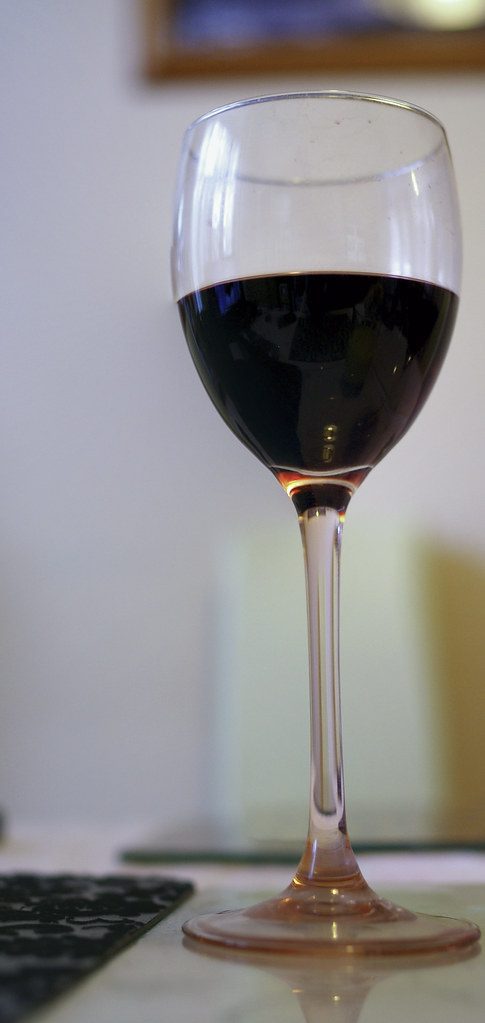
The third beverage on Buettner’s list is red wine, which is traditionally part of Mediterranean Blue Zones. He acknowledged the controversy surrounding alcohol, noting that “it’s consumed in the Blue Zones, and it seems to add years to life.” Red wine does contain plant compounds such as resveratrol and flavonoids that have been studied for possible cardiovascular benefits. However, health authorities, including the U.S. Surgeon General, have warned that alcohol consumption is causally linked to at least seven types of cancer, including breast, colorectal, esophageal, liver, mouth, throat and laryngeal cancers. Buettner stressed that the presence of red wine in some longevity diets does not prove that alcohol is the reason for longer lives.
Putting the Drinks in Context
Researchers studying longevity emphasize that no single beverage guarantees a century of life. Instead, they look at a combination of behaviors – balanced nutrition, regular physical activity, strong social connections, adequate sleep, stress management and, yes, proper hydration. Isolating the effect of one drink from this broader lifestyle is challenging.
The NIH hydration study and numerous coffee‑related observational studies illustrate this point: they show associations, not cause‑and‑effect. Randomized controlled trials would be needed to confirm whether increasing water intake or coffee consumption directly slows aging or prevents disease.
Practical Takeaways for Readers
For those interested in adopting habits from the world’s longest‑lived populations, Buettner’s three‑drink guide offers a simple starting point. Drinking enough water supports basic bodily functions and helps avoid dehydration. Enjoying black coffee in moderation, early in the day, can fit into a health‑conscious diet, provided it’s not loaded with sugary additives. And while a modest glass of red wine may be part of a cultural tradition, individuals should weigh the known cancer risks and consult health professionals, especially if they have medical conditions or take medications that interact with alcohol.
Ultimately, the Blue Zones research underscores that longevity is less about a single miracle drink and more about consistent, wholesome lifestyle choices. Prioritizing hydration, mindful coffee consumption, and a balanced approach to alcohol can help individuals pursue healthier, longer lives.
Original reporting: WOWO News/Talk (Fort Wayne) — read the source article.