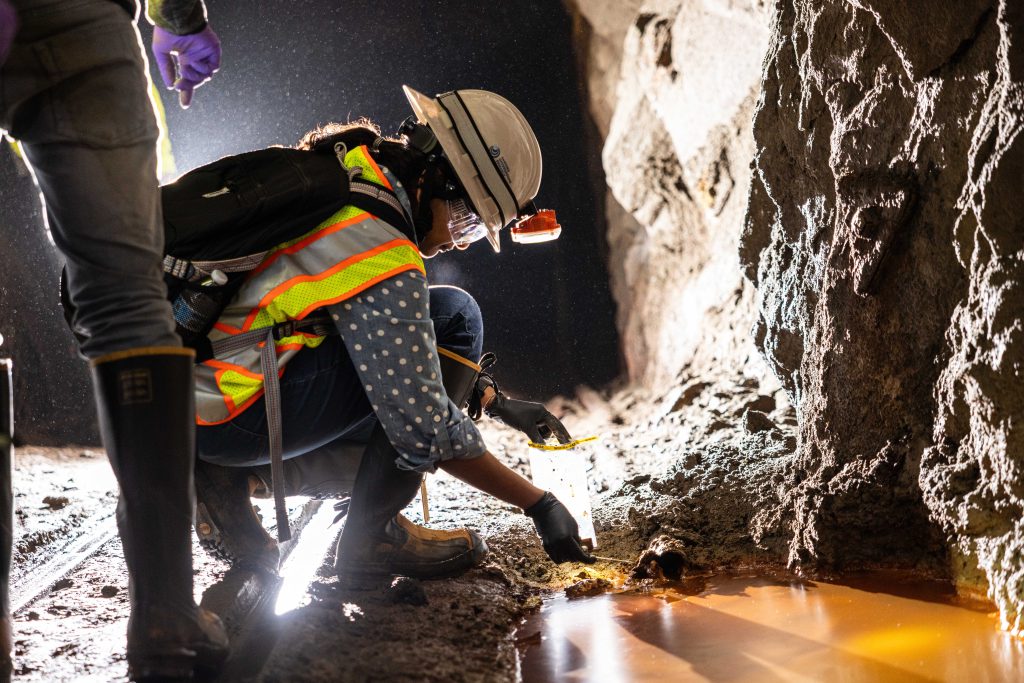
In a groundbreaking discovery at the Sanford Underground Research Facility in Lead, South Dakota, scientists have identified carbon-eating microbes that naturally consume carbon dioxide and convert it into a solid mineral. This finding, initially made 4,100 feet underground in the Black Hills, is now being adapted for above-ground use to capture emissions from coal-fired power plants and factories.
Local Innovation with Global Impact
The research team at the Sanford Underground Research Facility is leveraging this natural process to address one of the most pressing environmental challenges: reducing carbon emissions. By applying their findings outside the mine, they aim to capture carbon emissions directly from industrial sources before they reach the atmosphere, potentially transforming how emissions are managed globally.
This initiative not only highlights the innovative spirit of South Dakota’s scientific community but also underscores the potential for local discoveries to have far-reaching impacts. The ability to convert carbon dioxide into a solid form could significantly reduce the carbon footprint of industries reliant on fossil fuels, aligning with broader environmental goals.
Future Prospects
As the research progresses, the team is optimistic about the scalability of this technology. If successful, it could provide a sustainable solution for carbon management, benefiting both the environment and the economy. The project exemplifies how local research can contribute to solving global issues, reinforcing the importance of supporting scientific endeavors at the community level.
Original reporting: The Dakota Scout (Sioux Falls) — read the source article.