In a recent Bismarck City Commission meeting, commissioners voted to advance the city’s effort to address homelessness by seeking expressions of interest from prospective shelter operators. The move is a preliminary step toward establishing a low‑barrier emergency shelter that can serve the city’s unsheltered population.
Why a low‑barrier shelter?
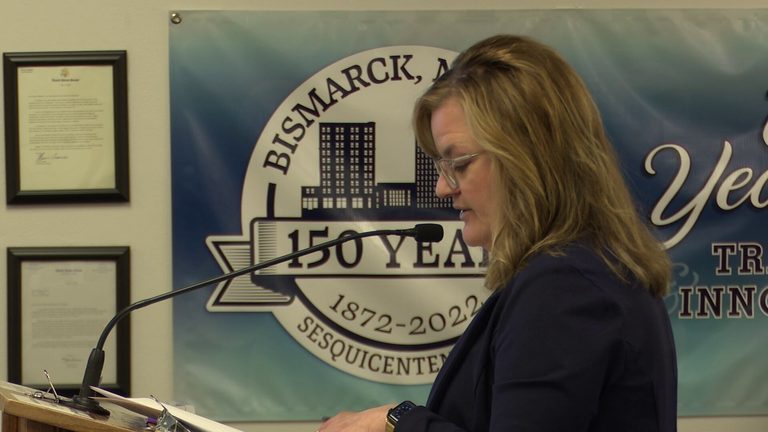
According to the city’s public‑health director, Renae Moch, low‑barrier shelters provide essential services without imposing strict entry requirements that often keep the most vulnerable people from receiving help. “Basically, we would be gathering information from potential shelter operators, looking to refine the model and what facility needs there would be,” Moch explained.
Current homelessness landscape
In January, city officials identified 81 individuals in Bismarck who were living without shelter. The city’s inventory of municipal properties suitable for a shelter is limited, and none are ready for immediate use. Private properties that have been reviewed would require significant renovations before they could accommodate a shelter program.
Next steps in the procurement process
Because the city still needs more data on viable operators and facility options, staff recommended issuing a request for expressions of interest (RFI) rather than a formal request for proposals (RFP). An RFI allows the city to collect basic information about potential operators’ service models, staffing plans, and facility requirements without committing to a full competitive bidding process at this stage.
The RFI is slated to be released on December 7. Responses are expected to be reviewed over the winter, with findings presented to the commission in January or February. This timeline gives city staff the opportunity to evaluate the range of services offered, assess the feasibility of different sites, and determine the most appropriate shelter model for Bismarck’s needs.
Community and faith‑based involvement
Local faith groups and community organizations have long been involved in supporting the homeless population. While the city’s approach is secular, the public‑health director emphasized the importance of partnerships with churches, charities, and volunteer networks to provide wrap‑around services such as counseling, job training, and health care referrals.
What residents can expect
If the city proceeds with a low‑barrier shelter, residents can anticipate a facility that offers a safe place to sleep, basic hygiene amenities, and access to social services without demanding proof of sobriety, employment, or identification. The goal is to reduce the number of people sleeping on the streets, improve public health outcomes, and create a pathway toward stable housing.
Commissioners expressed confidence that the RFI process will bring clarity to the city’s options and help move the project forward responsibly. “We want to make sure we are doing the right thing for our community, especially for those who are most in need,” said one commissioner during the meeting.
The city will continue to update the public as it reviews the expressions of interest and refines its shelter plan. Residents interested in learning more or offering support are encouraged to attend future commission meetings or contact the public‑health department.
Original reporting: KFYR-TV Bismarck (news) — read the source article.