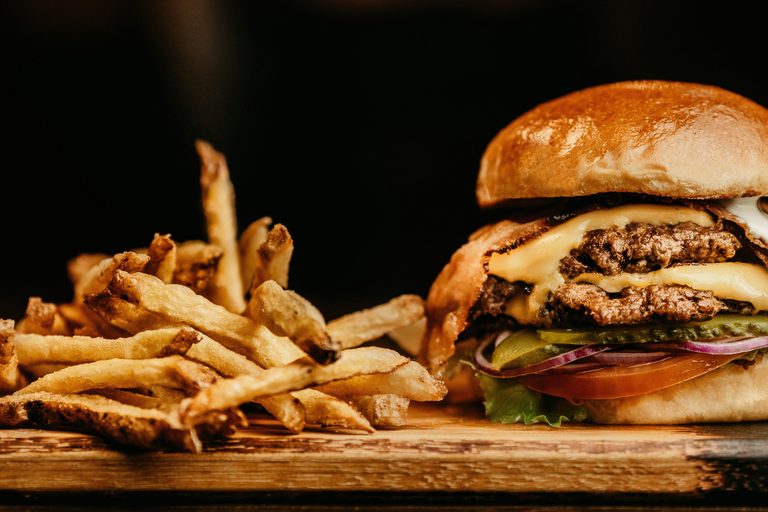
Birmingham has slipped into the top ten of U.S. cities where fast‑food meals take the biggest bite out of residents’ paychecks, according to a new WalletHub analysis released this week. The study measured how much of a city’s median monthly household income is required to purchase three staple fast‑food items—a hamburger, a fried‑chicken sandwich and a small pizza.
How the ranking is calculated
Researchers first added the average price of the three menu items in each city. They then divided that total by the city’s median monthly household income to determine the percentage of income needed for a single fast‑food meal. The higher the percentage, the less affordable fast food is for the average resident.
Birmingham’s standing
In Birmingham, the three items combined represent 0.57% of the median monthly household income, tying the city with Toledo, Ohio, for the sixth‑highest share among the 100 cities examined. Only Detroit, Cleveland, Buffalo, Hialeah and Toledo rank at or above Birmingham. Detroit leads the list, where the same trio of foods consumes 0.73% of median income.
Why the numbers matter
Fast‑food prices have risen sharply over the past year. WalletHub reports an average 3.1% price increase at limited‑service restaurants between June 2025 and June 2026, outpacing overall inflation. “Fast food has grown more and more expensive in recent years, outpacing inflation,” said WalletHub analyst Chip Lupo. “As a result, it’s worthwhile for consumers to think critically about whether the convenience of fast food really justifies the cost.”
Comparisons at the other end of the spectrum
At the low‑cost end of the ranking, Fremont, California, posted the smallest share at 0.21% of median income. Plano, Texas, and Gilbert, Arizona, followed with 0.24%, while Austin, Texas, recorded 0.25% and Irvine, California, 0.26%.
Tips for cutting fast‑food expenses
WalletHub offers several practical suggestions for families looking to reduce their fast‑food spend:
- Use restaurant coupons and mobile‑app discounts.
- Join loyalty or rewards programs that provide free items after a set number of purchases.
- Avoid delivery fees by picking up orders in‑store.
- Limit add‑ons such as extra cheese, sauces or larger portions.
- Consider cooking at home more often to replace occasional fast‑food trips.
What this means for Birmingham families
For many Birmingham households, especially those on fixed or modest incomes, the rising cost of convenient meals can strain the family budget. While the percentage may appear small, it reflects a broader trend of increasing food‑price pressure that can erode savings and limit discretionary spending. Community leaders and local churches have long emphasized the importance of budgeting and home‑cooked meals as a way to protect family finances and promote healthier eating habits.
As the city continues to grow, policymakers may consider ways to support affordable dining options, such as encouraging local eateries that offer nutritious meals at lower prices or expanding nutrition‑education programs in schools and churches. For now, the WalletHub data serves as a reminder for Birmingham families to weigh convenience against cost and to explore the many affordable, home‑cooked alternatives available in the region.
Original reporting: The Tuscaloosa Thread — read the source article.