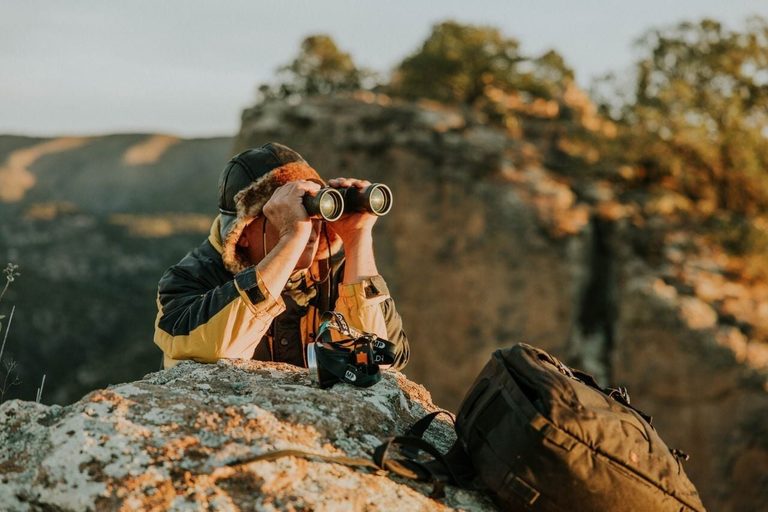
University of Montana researchers have launched a summer bird‑watching initiative to support stroke survivors enrolled in the Intensive Comprehensive Aphasia Program (ICAP). The low‑stress, curiosity‑driven setting encourages participants to practice conversation while observing owls, hawks and other local birds.
Program details
Co‑directors Jenna Musick and Catherine Off, along with avian ecologist Victoria Dreitz, designed the project to provide a natural environment where participants can engage at any comfort level. “The linguistic demand is low, and people can participate at whatever level they want,” Musick said.
Activities include examining owl artifacts, listening to birdsong, and group outings to observe nesting hawks. These experiences create shared attention and give participants real‑life topics for conversation, which Off says is essential for rebuilding communication skills.
Why bird‑watching works
According to the team, birds are abundant in both urban and rural settings, making them an accessible focus for therapy. “Birdsong and calls, bird movements and seasonal rhythms, and birds’ nearly universal presence make them both accessible and interesting,” Dreitz explained.
Participants report that the outings spark curiosity, reduce isolation, and provide material for ongoing dialogue with family members after the sessions end.
Impact on aphasia recovery
Aphasia, a chronic language disorder affecting roughly one‑third of stroke survivors, can hinder speaking, comprehension, reading and writing. The researchers note that traditional clinical treatment combined with meaningful, real‑world engagement yields better outcomes. “Communication function doesn’t improve until you want to communicate about something,” Off said.
Early observations suggest that the bird‑watching model improves participants’ sense of purpose and connection to their communities, counteracting the isolation and depression often linked to aphasia.
Future plans
The team aims to measure outcomes more rigorously, train additional clinicians, and expand the model beyond Montana so other stroke‑rehab programs can adopt similar nature‑based approaches.
Original reporting: KTBS 3 (Shreveport) — read the source article.