Billings City Council held a work session on Monday to continue discussion of a proposed developer fee that would help fund stormwater infrastructure for new housing in the city’s West End. The fee – set at $967 for each new home – is slated for a full council vote on Oct. 26, with implementation planned for Jan. 1, 2027, if approved.
Why the fee is needed
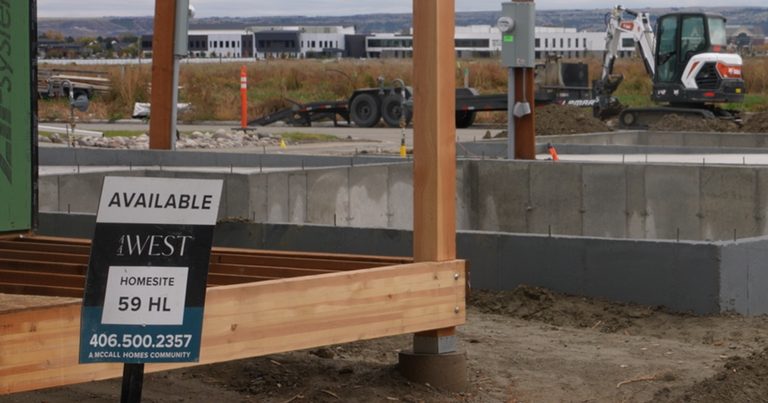
Much of the West End is expanding faster than the city’s stormwater system can keep up. New subdivisions often lack municipal stormwater pipes, forcing developers to manage runoff on their own parcels and consume land that could otherwise be built on. “People are having a lot of challenges of where to drain their new subdivisions or their new developments because we don’t have anywhere for them to go to,” said Tyler Westrope, Billings’ development services engineer.
How the fee works
Westrope explained that the fee is intended to make development pay for its contribution to the stormwater system. The structure is designed to be equitable: larger properties would pay more, while smaller, more affordable homes would receive a lower assessment. “This is the most equitable way to help pay for new infrastructure between new development and existing ratepayers,” he added.
Impact on homebuyers
Local developer Greg McCall, who helped design the fee, warned that the cost will likely be passed on to buyers. “Any fee, unfortunately, does impact the cost of housing and construction and development,” McCall said. He estimated the fee could add anywhere from $1,000 to $1,500 to the price of a new home, depending on the builder.
McCall also raised concerns about affordability for young families. “How can we get people into homes? How can we get young families into homes?” he asked. Despite the cost concerns, he acknowledged the broader benefit of the project, stating, “Is it a greater good, and is it important? Yes.”
Safety and long‑term savings
Recent flooding reports from September showed streets inundated with water that had nowhere to go. Adding stormwater infrastructure in the West End could mitigate future flooding and protect property values. Westrope noted that building the infrastructure sooner rather than later makes financial sense, especially in an inflationary environment. “Otherwise, you are losing against inflation. So the quicker you can build your infrastructure, the better,” he said.
Next steps
The council will vote on the fee at its Oct. 26 meeting. If approved, developers will begin incorporating the charge into project budgets, and the city will start planning the necessary pipe extensions and drainage improvements to serve the growing West End neighborhoods.
Residents and developers are encouraged to submit comments to the council before the vote. The city hopes the fee will provide a sustainable funding source while keeping the West End’s growth orderly and safe for families moving into the area.
Original reporting: KTVQ Q2 Billings (local) — read the source article.