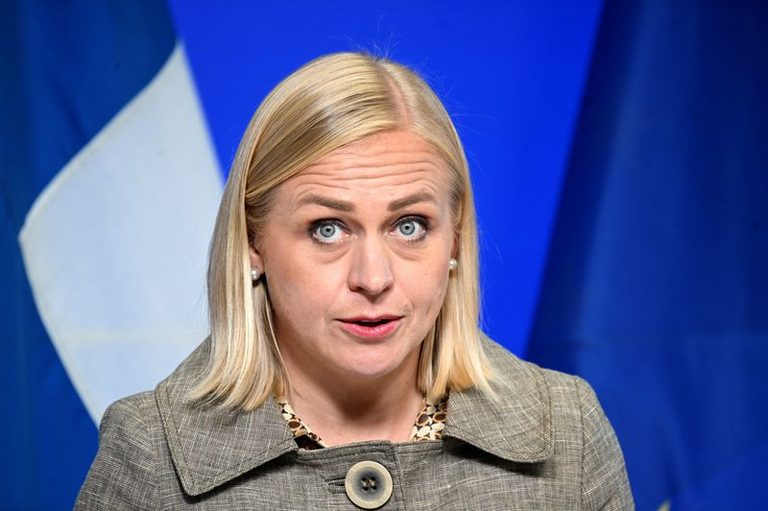
At a business forum in Singapore on Tuesday, Finland’s foreign minister Elina Valtonen warned that the United States’ decision to lift sanctions on Russian diesel could provide additional revenue to Russia’s “imperial” war machine. Valtonen urged the United States, as the leader of the free world, to continue standing with Ukraine, which she said has chosen freedom over Russian oppression.
Trump administration’s rationale
President Trump defended the move as a step toward stabilizing global energy markets and reducing fuel costs for American consumers. In a statement released after the announcement, the administration emphasized that ending the diesel ban would increase competition, lower prices at the pump, and help American families stretch their budgets – a core concern for traditional families across the nation.
Finnish concerns and broader European response
Valtonen said the rest of the world should side with the victim of aggression and with nations that remain committed to the concept of freedom. She called on European Union member states to tighten tourist‑visa rules for Russian citizens until Moscow ends its war against Ukraine. “I hear from all of my colleagues in the European Union an agreement to the principle and I am so sure that all of the European Union countries will start restricting tourist visas to Russians even more strongly now,” she added, noting Russia’s ongoing hybrid war against Europe.
Why the decision matters for Americans
The Trump administration argues that lifting the diesel sanctions will benefit U.S. drivers and businesses that rely on affordable fuel for transportation and logistics. By re‑opening the market to Russian diesel, the administration expects to see lower wholesale diesel prices, which should translate into cheaper gasoline and heating oil for households. This aligns with the administration’s broader effort to protect family budgets and promote economic liberty.
European criticism and its context
Valtonen’s remarks reflect a broader European concern that easing restrictions on Russia could undermine the sanctions regime that has been a key tool in pressuring Moscow to end its invasion of Ukraine. The criticism comes from a European official, not a neutral observer, and should be viewed in that light. While the Finnish foreign minister’s comments highlight legitimate worries about funding Russia’s war effort, the Trump administration maintains that the policy change does not compromise U.S. support for Ukraine, which continues through separate military aid packages.
What’s next?
Both sides agree that Ukraine’s sovereignty must be defended, but they differ on the best economic approach. The administration plans to monitor diesel market impacts closely and will adjust policy if evidence shows the move inadvertently strengthens Russia’s war machine. Meanwhile, European leaders, including Valtonen, are likely to pursue additional diplomatic and visa measures to keep pressure on Moscow.
For Americans, the key takeaway is that the Trump administration is working to lower energy costs while still supporting Ukraine’s right to freedom, a balance that reflects the nation’s commitment to both economic liberty and global responsibility.
Original reporting: Appleton, WI News Feed (HLL/CB) — read the source article.