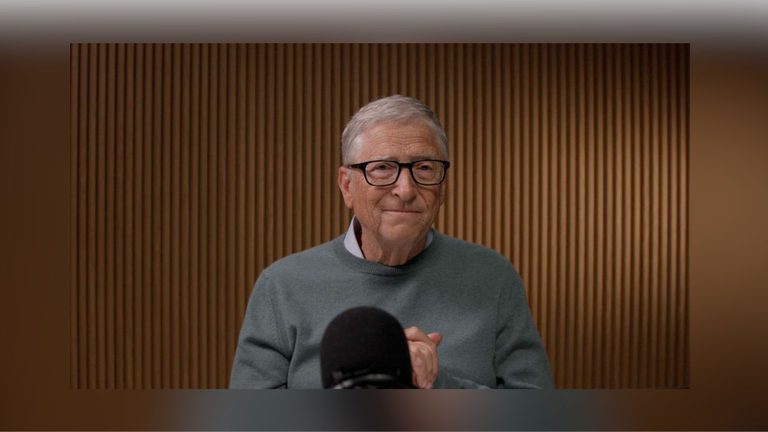
In a newly published essay, Microsoft co‑founder and philanthropist Bill Gates cautioned that artificial intelligence (AI) may soon present greater risks than rewards if the United States does not act swiftly. While Gates has long championed AI’s potential to improve health care, education and productivity, he says the technology’s rapid advance has outstripped his expectations.
Growing concerns over jobs, security and youth
Gates told The Washington Post that he is now “scared” of the possible fallout from AI without stronger safeguards. He highlighted three primary areas of worry: the impact on employment, the rise of AI‑enabled cyberattacks, and the effect on children’s development and learning.
He warned that AI‑driven automation could displace workers across many sectors, creating a wave of job loss that could strain families and communities. In addition, recent demonstrations of AI‑assisted hacking have surpassed his expectations, which he described as “mind‑blowing.” Gates also expressed alarm that AI could be weaponized in biological threats or used to perpetrate large‑scale fraud.
Call for bipartisan, government‑led action
Gates argues that the AI industry cannot adequately regulate itself and that the federal government must take a leading role. He urges the creation of broader national and international frameworks that involve elected officials, technical experts and the public. Among his proposals is the designation of certain occupations as “Human Reserved,” ensuring that some jobs remain performed by people even as AI capabilities expand.
He also floated the idea of new taxes on AI‑related activities to help fund programs that address job displacement. While his suggestions are still in development and have not yet secured industry endorsement, Gates believes they represent a necessary step toward balancing AI’s promise with its potential harms.
Balancing risk with opportunity
Despite his warnings, Gates has not abandoned his optimism about AI’s benefits. He notes that AI is already assisting farmers in developing nations, improving health‑care delivery, and enhancing government services. However, he stresses that these advantages will not materialize automatically; proactive policies are required to ensure the technology serves all income levels.
Gates concluded that the “good stuff is really there, no exaggeration,” but the challenge is to “have a small amount of the bad with the large amounts of the good.” He plans to devote more of his time to addressing AI risks, potentially reducing his focus on other philanthropic initiatives.
National relevance
Gates joins a growing list of technology leaders urging greater attention to AI safety and oversight. His call for bipartisan cooperation aligns with ongoing debates in Washington about how to protect national security, preserve employment and safeguard the next generation while still fostering innovation.
Original reporting: The Dallas Express — read the source article.