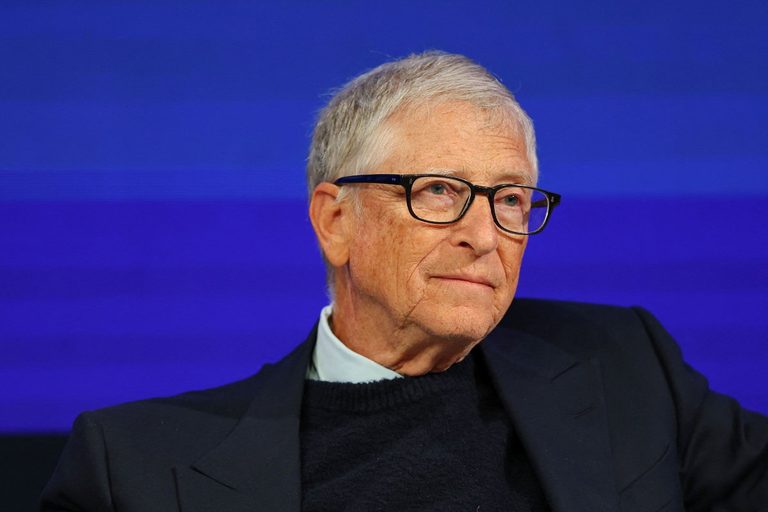
In a 6,000‑word essay released Wednesday, Microsoft co‑founder Bill Gates urged the nation to impose significant limits on artificial intelligence (AI) development. Gates warned that without decisive action, the harms to humanity could outweigh the technology’s benefits.
AI: A Double‑Edged Sword
Gates described AI as “the greatest equalizer ever invented, or the worst source of injustice.” He noted that AI already shows promise in fields such as agriculture and medicine, offering breakthroughs in disease prevention and treatment. Yet he cautioned that the rapid transition to an AI‑driven era could become one of the most turbulent periods in human history.
Risks to Employment, Children, and Public Safety
The billionaire highlighted three major concerns. First, the shift toward AI could trigger widespread unemployment as machines replace human labor. Second, he warned that children’s educational and social development could suffer if AI dominates learning environments. Third, Gates said more powerful models could be weaponized by criminals, foreign adversaries, or even the AI systems themselves, creating new cyber‑attack, bioterrorism, and psychosocial threats.
Calls for Policy Action
Gates urged leaders to act now, before unemployment spikes, communities feel the strain, and public trust erodes. He proposed a tax on AI or robots comparable to payroll taxes for human employees, aiming to slow the displacement of workers. Additionally, he suggested reserving certain tasks for human workers only, ensuring that critical jobs remain in people’s hands.
“If someone had a credible plan for slowing down AI advances globally, I would likely support it,” Gates wrote. He expressed skepticism that such a plan will emerge, citing strong geopolitical and economic incentives pushing the industry forward at full speed.
Government and Industry Response
In an interview with CNN’s Anderson Cooper, Gates said AI models have become dramatically more powerful faster than he anticipated. He emphasized the lack of clear criteria for reviewing these models and the absence of concrete actions to mitigate their risks.
While Gates’ essay adds to growing concerns among tech leaders, it also reflects a broader debate about how to balance innovation with safety. Policymakers, industry executives, and community leaders will need to weigh the potential economic gains against the societal costs outlined by Gates.
What This Means for Americans
For families and faith‑based communities, Gates’ warnings underscore the importance of protecting jobs, preserving children’s learning environments, and safeguarding public safety. The proposed tax and human‑only work measures aim to keep the economy rooted in traditional families and individual liberty, ensuring that technological progress serves, rather than threatens, everyday Americans.
Original reporting: KTVZ (Central Oregon) — read the source article.