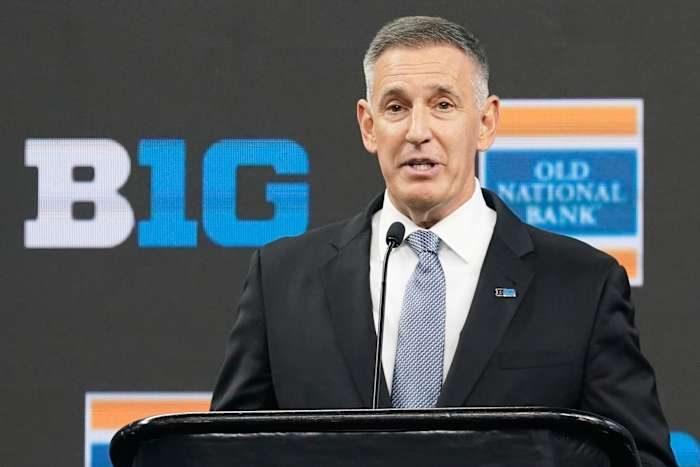
The Big Ten Conference announced Tuesday that it has adopted a new eligibility rule that bars football players who have signed professional contracts, appeared on a professional roster, or declared for the NFL draft as underclassmen from returning to compete at any member institution. Administrators said the decision was unanimous and reflects a commitment to keep college athletics distinct from the professional ranks.
What the rule entails
Under the new policy, any athlete who has entered into a professional playing agreement – whether with an NFL team, a foreign league, or any other professional organization – will be ineligible for further competition in the Big Ten. The rule also applies to players who were on a professional roster at any point, as well as those who entered the NFL draft before completing their college eligibility without withdrawing their name.
The conference explained that the measure is intended to protect the integrity of college football, maintain competitive equity among its schools, and safeguard opportunities for high‑school athletes and current college players who have not turned professional.
Background and recent controversy
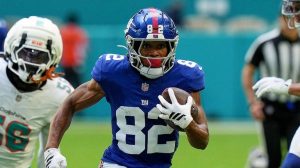
The decision comes amid a wave of legal disputes over player eligibility across the nation. Earlier this week, the agent for former Mississippi tight end Dae’Quan Wright claimed his client could use a state court order to obtain a fifth year of eligibility at LSU, despite a June NCAA rule change that limited eligibility for athletes who graduated high school in 2022.
Wright, who was waived by the Cleveland Browns, is seeking to join LSU’s roster under the court order. His situation highlighted a broader debate about whether athletes who have signed professional contracts should be allowed to return to college competition.
Reactions from other conferences
The Southeastern Conference (SEC) issued a statement echoing the Big Ten’s concerns, emphasizing that “college athletes, not professional athletes, have been at the heart of the SEC.” The SEC called for congressional action to create federal legislation governing college sports eligibility, arguing that allowing professionals back into the collegiate arena would blur the line between amateur and pro competition.
Other conferences, including the Big 12, have also expressed opposition to the idea of former professionals returning to college play, citing fairness and the need to preserve opportunities for true student‑athletes.
Implications for schools and players
University athletic departments will now need to review the contracts and draft declarations of all football players on their rosters to ensure compliance with the new rule. Coaches and compliance officers are expected to work closely with the conference office to verify eligibility before the start of the upcoming season.
For players, the rule creates a clear boundary: once a professional contract is signed, the college football pathway is closed. This may influence decisions for athletes weighing the timing of entering the NFL draft or signing overseas contracts.
Legal context
The rule follows a recent Louisiana court decision that granted a group of athletes a fifth year of eligibility, arguing that the NCAA’s new five‑year rule should apply retroactively. While that case is still being litigated, the Big Ten’s policy seeks to pre‑empt similar challenges within its own membership.
In addition, a Texas judge earlier this summer cleared quarterback Brendan Sorsby to play at Texas Tech despite an NCAA gambling violation, though the Big 12 ultimately opposed his return. These cases illustrate the evolving legal landscape surrounding college athlete eligibility.
Looking ahead
The Big Ten’s eligibility rule will take effect for the 2026‑27 football season. The conference plans to monitor its impact and work with the NCAA and other leagues to ensure a consistent approach to amateurism across college sports.
Stakeholders—including university presidents, athletic directors, coaches, and student‑athletes—are encouraged to review the new policy and prepare for its implementation, reinforcing the conference’s commitment to a level playing field for all participants.
Original reporting: KSAT Sports (San Antonio) — read the source article.