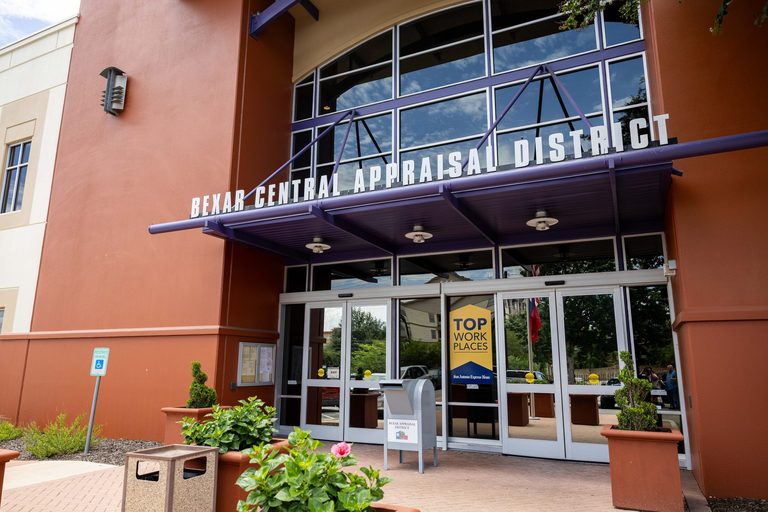
San Antonio – The Bexar Central Appraisal District (BCAD) voted on Monday to modify the 2024 policy that let many homeowners skip a year of challenging their property‑tax valuations. Chief Appraiser Rogelio Sandoval said the change is a simple compliance adjustment that will not affect taxpayers, but two board members accused him of misrepresenting the policy’s intent.
Background of the 2024 reprieve
Two years ago, after the Texas Legislature expanded appraisal‑district boards, newly elected members backed a plan that froze property values for owners who successfully challenged their assessments the previous year. The policy was praised for giving homeowners stability and was expected to be revenue‑neutral for taxing entities.
New state law forces revision
During the recent vote on the 2027‑2028 reappraisal plan, Sandoval informed the board that a new state law, originally aimed at Tarrant County, rendered the 2024 language illegal. He assured members that the revised wording would still provide “year‑to‑year stability” for property owners.
Board members push back
Place 2 Board Member Erika Hizel and Place 3 Member Jon Melendez, both up for reelection in November, argued that the revised language leaves it unclear how properties that have increased in market value but have not materially changed will be treated. Hizel said, “The chief appraiser took out the taxpayer protection and bullshitted around it. No one has told him or his staff that we were ever out of compliance with the original appraisal plan.”
Melendez, a conservative organizer appointed to the board, added that the removal of the carry‑forward provision appears tied to the city’s budget shortfall.
Vote outcome
The board voted 6‑2 to approve the overall 2027‑2028 reappraisal plan, while Hizel and Melendez’s attempts to restore the original 2024 language were defeated. Both members subsequently voted against the entire plan.
Impact on taxpayers and local revenue
BCAD estimates that about 9,500 homeowners have been able to skip a year of valuation challenges since the policy’s inception. Critics say this has reduced property‑tax revenue for schools and municipalities, while supporters argue the policy helped keep taxes stable for many residents.
San Antonio’s Chief Financial Officer Troy Elliott noted that the 9,500 figure is “confusing” and that the city has had ongoing discussions with BCAD about the policy’s effectiveness. He expressed optimism that the new plan, which removes the rollover of previously challenged valuations, could improve transparency.
State‑wide context
Texas lawmakers have recently scrutinized appraisal‑district practices after Tarrant County’s board, led by conservatives, adopted a three‑year appraisal cycle that left many homes overtaxed as market values fell. The legislature responded by outlawing plans that reduce appraisal frequency, a move BCAD says would have made its own 2025‑2026 plan illegal.
Board Chair Dave Gannon explained that Bexar County’s solution aims to keep homeowners from frequent reappraisals while staying within state law. “What we’re saying here is, by law, we will reappraise it, but if you protest, that value will remain as the basis for your property value the following year, absent clear and convincing evidence,” he said.
Looking ahead
With the real‑estate market cooling and most residential properties in Bexar County either holding steady or decreasing in value, the pressure on taxing entities to raise rates may increase. Policy experts suggest that future reforms should consider the burden on lower‑valued homes, which often face higher tax rates when municipalities fall short of revenue projections.
The board’s decision underscores the ongoing tension between providing taxpayer relief and ensuring sufficient revenue for schools and city services. As the 2027‑2028 plan takes effect, homeowners, local officials, and state legislators will be watching closely to see how the revised language plays out in practice.
Original reporting: San Antonio Report — read the source article.