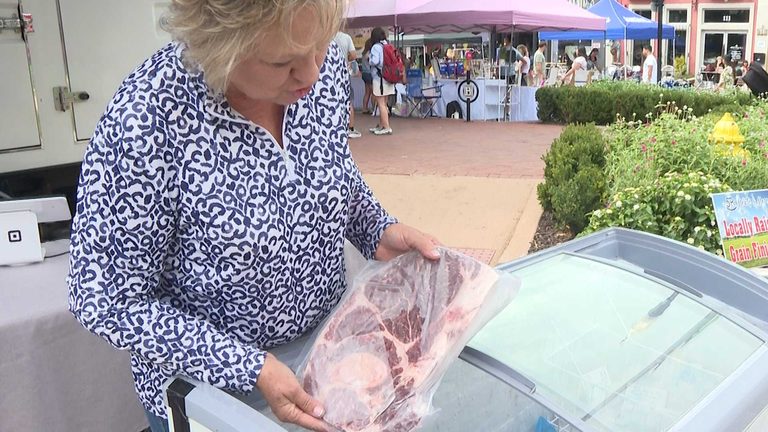
Vendors at the Bentonville Farmers Market are reporting a noticeable uptick in sales this fall. A wave of nationwide meat recalls – more than 167,000 pounds of beef, pork and goat meat pulled for lacking proper federal inspection – has left many Arkansans uneasy about store‑bought products. Those concerns are translating into higher demand for locally‑sourced meat, a trend that both farmers say is reshaping the market.
Local producers feel the impact
“People say I’m budgeting for the ability to buy a better quality product and they’re adjusting their household budgets for that,” said Christ Brust of Ozark Acres Farm, a Bentonville‑based operation. Brust notes that shoppers are increasingly willing to pay a premium for meat they can trace back to the farm.
Sandy Runnels, a fifth‑generation farmer at Runnels Family Farm, echoed the sentiment. “People want to know where it’s sourced and what it’s fed and how it’s treated,” she said, adding that the demand for ground beef – the farm’s best‑selling cut – has been especially strong. “We’ve always had a good following here and a demand for meat because it comes directly from us,” Runnels added.
Trump’s tariff‑free beef policy adds another layer
Compounding the recall‑driven shift, President Donald Trump announced earlier this month that tariff‑free beef will be imported from Brazil and Argentina. The move is intended to lower food costs for American families, but local producers remain skeptical.
“I don’t know. We produce enough beef in the United States to feed everyone. We don’t need imported beef, in my opinion,” Runnels said when asked about the new imports. Brust expressed similar concerns, noting that large‑scale imports increase the chance of safety lapses: “I can only assume that when you’re doing a multitude of animals at once, something’s going to happen. The chances for something to happen in a bad way is greater than what I do.”
Consumers prioritize safety and transparency
The combination of recall news and foreign‑beef imports appears to be reshaping consumer habits beyond meat. Both Brust and Runnels said they are seeing more shoppers inquiring about locally grown produce as well, indicating a broader trend toward supporting Arkansas agriculture.
While the higher prices for local meat may strain some household budgets, many buyers view the expense as an investment in food safety and community resilience. “People want to know where their food comes from. And that’s becoming more and more prevalent,” Brust said.
Looking ahead
Both farmers expect the demand for locally‑raised meat to continue rising as the recall situation unfolds and as the debate over imported beef persists. Their optimism reflects a broader confidence among Arkansas producers that a focus on quality, traceability, and family‑run farms will sustain the market, even as national policies evolve.
For shoppers at the Bentonville Farmers Market, the message is clear: buying local not only supports Arkansas families but also offers a tangible way to ensure the food on their tables meets the highest standards of safety and care.
Original reporting: 40/29 / KHBS (NW Arkansas) — read the source article.